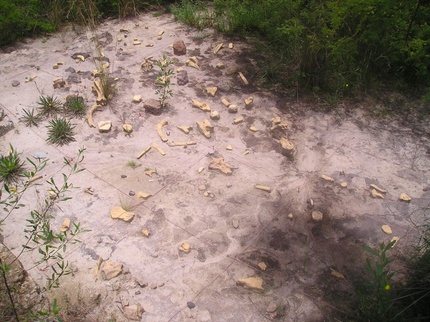
Ethiopia is in many ways remarkable in possessing lands of greatly varying altitude, and hence of widely differing climate. Traditionally the areas of differing altitude in which these lands were situated were known as Qolla, or Lowlands, Dega, or Lands of Considerable Elevation, and Wayna Dega, literally “Grape Highlands”, or lands of intermediary elevation.
Temperature, Rainfall and Climate
Temperature and rainfall also varied very greatly. The country thus included cold mountains, in some places at times covered with snow, and torrid lowlands, some of which constituted some of the hottest places on earth. Great differences in rainfall also occurred, and manifested themselves in desert conditions at one extreme, and tropical jungle at the other.

Such differences of elevation, and climate, in rainfall as well as in temperature, were of immense importance. They led to a remarkably wide variety of vegetation of all kinds, including trees, shrubs, and other plants of medicinal value.
Medical Plants
The number, and variety, of such medicinal plants enabled the people of Ethiopia, the inheritors of a long-established civilisation, to develop, over the centuries, a very sophisticated knowledge of herbal medicine. This enabled them to conquer the diseases, epidemic as well as endemic, with which they were afflicted.
A Written Language
Ethiopia was also unusual on the African continent south of the Sahara in possessing a written language: Ge‘ez, which can be traced back to before the Christian era.
Ge‘ez literature, which was written on parchment, was for the most part Biblical, or at least Christian in character. There was, however, also a sizable amount of writing on secular themes, such as the royal chronicles, works on philosophy, computation of calendar information, legal texts, and – what we are concerned with today: medical text-books.
Medical Textbooks, and Their Age
We do not know when the Ethiopians began to record their medical knowledge in writing. Medical texts were not treated with the same reverence as religious works, and were therefore less often housed in church or monastic libraries, where they would have been well preserved. Medical textbooks were instead often kept in the possession of individual practitioners, who used them for their medical purposes, and were not so interested in their conservation.
The earliest Ethiopian medical texts known to us date back to the seventeenth or eighteenth centuries. It may well, however, be the case that such works are copies of much older texts, no longer extant, which were worn out in use, or otherwise destroyed. The works from which they were copied could have been many centuries older, and may have dated perhaps from perhaps the thirteenth or fourteenth centuries, or even earlier.
Their Importance
Ethiopian medical texts are of immense historical importance, not only for the understanding of Ethiopian medical history, but also in that they embody a vast store of medical information. Much of this can be of practical importance for the present day.
Traditional medicine has an advantage over modern medicine imported from abroad in that it is often better understood, and appreciated, by the rural population. Traditional medicine is also substantially cheaper, and, no less important, less of a burden on the country’s balance of foreign exchange.
Supplemented by Foreign Writings
The information recorded in the Ethiopian medical text-books can to some extent be confirmed, as well as supplemented, by the writings of innumerable foreign travellers, who have over the years written many valuable accounts of the country’s medical practices. Such records date back to the writings of the early sixteenth century Portuguese traveller Fransisco Alvares, and also include accounts by many nineteenth and early twentieth century foreign century observers, French, German, Italian, and others. Some of them were trained doctors, surgeons, or other medical observers.
Such foreign literature cannot be ignored: it contains for example accounts of such traditional practices as bleeding and cupping, as well as bone-setting, surgical operations, and the use of thermal water, none of which figure at all in the Ethiopian medical textbooks.
Published Texts
Several of the more important Ethiopian medical text-books have been published abroad during the present century, together with French, Italian, English or other foreign translations, as well as a considerable amount of annotation. Such annotation is of immense medical, and other scholarly, importance, for it often identifies, at least tentatively, the scientific, or Latin botanical names of the plants mentioned in the texts.
Such published texts, translations and annotations are in fact so important that it is impossible to do any serious research in the investigation of traditional Ethiopian medicine, or on traditional Ethiopian plants, without familiarising oneself with such literature: to mention but two examples Marcel Griaule’s Le livre de recettes d’un dabtara abyssin (Paris, 1930), and our old friend Stefan Strelcyn’s two volume Medecine et plantes d’Ethiopie (Warsaw, 1968, Naples, 1973).
Strelcyn
Strelcyn’s researches, though extensive and of major scholarly importance, by no means of course mark the end of such research, but in a sense only a good beginning. It is imperative that further medical texts be identified, published, translated, and annotated. We need a series of new monographs, on the lines of Strelcyn’s work.
Medical Textbooks, and Traditional Practitioners
The publication of further Ethiopian medical texts must be complimented by the recording of medical information from traditional medical practitioners, large numbers of whom are still alive and kicking, as the English phrase goes. Such research and publication should be important in supplementing the information included in the written texts, as well as in confirming the data included therein.
It this connection it is worthy of note that traditional Ethiopian medicine forms part of a long-established tradition. This is evident from the fact that our documentation reveals that the medicinal properties of certain plants have been known in Ethiopia for centuries, and that many medical prescriptions can be seen to have been used for generations.
Monographs and/or Journal
We should be thinking in terms of the publication of an on-going series of monographs on the work of present-day traditional practitioners, or else of a regular Journal, in which traditional medical prescriptions can be published on a regular or irregular basis.
Such publications could well be the responsibility of the Ethiopian Institute of Biodiversity, the Association of Traditional Ethiopian Medical Practitioners, and/or the University Medical Faculties.
Medicinal Botanical Gardens
And, while we are at it, why don’t we establish a botanical garden of traditional plants, perhaps somewhat like the Chelsea Physics Garden, in London. And why not have smaller botanical gardens attached to schools (and perhaps also Government office compounds) all over the country?
In that way Ethiopia’s youth, as well as the urban population, will be familiarised with the medical side of their country’s cultural heritage.
All this may also contribute to health!
  Source: http://www.linkethiopia.org

By Dr. Richard Pankhurst:-
We saw last week how rivalry between the European powers in Addis Ababa led, during the reign of Emperor Menilek, to the establishment of clinics, at the Italian, French and British legation. They competed with the Russian hospital, a truly pioneering institution which had been established a few years earlier. Now read on!
Ras Makonnen’s Leprosarium
Foreign medicine also began to make its appearance in the provinces at about the same time. In Harar, to the East, Ras Makonnen was keen on establishing modern medical institutions. In 1901 he gave the French Capuchin missionary Monseigneur Jarosseau land on which to establish Ethiopia’s first modern-style leprosarium.
This institution, which was run entirely by French missionaries, consisted of one large building, made of stone and mud, and 49 traditional style huts. There some twenty-five families, for the most part Oromos, were
housed, fed and treated free of charge. Treatment was based largely on the use of choulmoogra oil. Ras Makonnen is said to have taken a keen interest in the institution, and Menilek, on learning about it, expressed a wish to establish a leprosarium like it in Addis Ababa. The idea did not however materialize until long after the Emperor’s death.
The First Harar Hospital
Makonnen also wanted to establish a modern-style hospital in Addis Ababa. He hoped at first to do so with British help. On attending the coronation of King Edward VII in 1901 he travelled to Edinburgh, with a view to introducing British medical activity in Harar, similar to that then being carried out in Aden. A British physician, Dr John Young, duly visited Harar to explore possibilities, but the idea of British assistance was for one reason or another soon abandoned.
Undeterred by this difficulty, the Ras proceeded to establish a hospital, at his own expense. It was run for a short time by Dr Vitalien, a physician from the French island of Guadeloupe, who had been appointed as medico to the Franco-Ethiopian railway company. He was referred to by Ethiopians as the “tekwur hakim”, or “black doctor”, and in racist European circles as a “coloured native” or “nigger”. The hospital was built of stone. Jennings, a British traveller who visited shortly after its establishment, vividly recalls:
“It consists of six wards on the ground floor facing the front, and three double wards on the first floor facing the back. The floors are concrete, and the walls are white-washed on the inside. The ordinary spring-wire and hair mattresses, sheets, blankets, iron bedsteads and bedside tables are in use. The latrines and urinals are in a separate out-building in the back, with a modified cesspool; on the left side is the dispensary; on the right are the operating theatre and offices, while the cook-house is at the back to the left. Utensils and drugs are supplied to the patients, but with the exception of milk they find their own food; and the laundry work is done outside.”
Enter the French Government
Once established, the hospital attracted the attention of the French Government, which was interested in having access to a medical establishment on the cool plateau inland from the torrid port of Djibouti. The French accordingly agreed to purchase the hospital for 50,000 francs, and to run it as a French institution open to the local Ethiopian population, as well as to patients from the nearby coastal French Protectorate. The Harar hospital was later supplemented, in 1911, by a much smaller institution in Dire Dawa, run by the railway company.
This was Ethiopia’s second provincial hospital.
Closure of the Russian Hospital
Medical progress in Addis Ababa meanwhile suffered a major set-back, in 1906, when the Russian Red Cross mission was withdrawn from the capital. The exact reasons for the closure are not precisely known to the present writer. Russia was then suffering from the revolutionary turmoil associated with the abortive Russian Revolution of that year. There seems, however, to have been friction between the Russians and the Ethiopian Government. The latter’s customs authorities, we are told, insisted on taxing the annual supply of Russian medicines, valued at 6,000 roubles, which the Russians regarded as a gift to Ethiopia. The enraged Russian Ambassador, General Lichine, refused to pay, and telegraphed the authorities in St. Petersburg. Three days later he received instructions from them to close the hospital.
A Medical Influx
Though the closure of the Russian hospital was a serious blow to medicine, a number of European doctors, and one dentist, shortly afterwards arrived, to practice in the capital. The first such foreigner to come was the country’s first foreign dentist. He was a Greek, Dr Caracatsanis, who had received his training in Athens, and, having practiced in Egypt, was brought to Addis Ababa by Empress Taytu, as early as 1907.
One of the first resident physicians of this period was the French-educated Dr Vitalien, from Guadeloupe, who served for a number of years as Menilek’s personal physician.
Menilek’s Fatal Illness
The coming of foreign medicine, and foreign medical practitioners, was encouraged at this time by Menilek’s deteriorating health. The Emperor was anxious to receive, and welcome, any physician who might cure him of his ills. More than that, the European powers wanted, as De Castro says, the glory of having the aged monarch cured by one of their nationals.
Among the foreign doctors arriving at this time were two Germans, Dr Steinkuhler and later Dr Zintgraff. They treated the ailing monarch, but, perhaps for that reason, made powerful enemies. They were accused of poisoning, or attempting to poison, their royal patient, and were accordingly thanked for their services, and sent home.
Other foreign physicians arriving at around this time included a Greek, Dr J. Zervos, who later treated the youthful Tafari Makonnen (the future Emperor Haile Sellassie); a Frenchman, Dr Antoine de Taillas, who had earlier served as medico to the railway company; and an Armenian, Dr E. Terzian, who started a private practice, about which, unfortunately, little seems to be known.
The First Pharmacy
The first foreign pharmacist to establish himself in Addis Ababa was a young Georgian, Dr Merab, who held French nationality. He had formerly practiced in Constantinople, where he had treated a visiting Ethiopian delegation, led by Ras Mangesha Warqe. The latter interested him in travelling to Addis Ababa, where he became, among other things, one the small band of Menilek’s personal physicians.
Merab, whose grave can be seen to this day in Addis Ababa’s Gulele cemetery, duly founded the city’s first pharmacy. This, as a good patriot, he named the Pharmacie la Georgie. A man of considerable literary merit, he was also the author of “Medicines et Medicine en Ethiopia”, the first important account of traditional Ethiopian medicine.
Though Merab enjoyed something of a pharmaceutical monopoly he nevertheless encountered some competition. Most European, and Indian, groceries at this time stocked popular medicines. These included iodide of potassium, Ricord’s pills, quinine, castor oil, Epsom salts, laudenum, phenic acid and antiseptic cotton.
The Menilek Hospital
The first Ethiopian government hospital, the Menilek II Hospital, was meanwhile founded, in 1910. Situated on the site of the old Russian hospital, it was run at its inception by the afore-mentioned Dr Vitalien, from Guadeloupe, and later by a succession of French physicians: Dr Rousseau, Dr Garnier, and Dr L’Herminier. Its staff also included two young Ethiopians, Ato Gizaw and Ato Dagne, who had earlier been sent to study medicine in Russia.
Medicine, as in the old Russian hospital, was at this time for the most part entirely free.
Foreign Travellers
Despite the establishment of the above medical institutions, many Ethiopians, particularly in the provinces, still relied on medical help received from visiting European travellers. One of them, Dr Arthur Hayes, an Englishman resident in Egypt, recalls that on visiting the Lake Tana area, he was besieged by Ethiopians wishing to be treated. Most were suffering from syphilis, leprosy, ophthalmia, malaria, itch, or tapeworm. He writes:
For the first time in my life I found my reputation embarrassing. Patients poured in, and it occurred to me that if they had any money and I wished to establish myself in practice in Abyssinia, I should have done very well by the lakeside.”
The visiting British big-game hunter, and ethnographer, Powell-Cotton tells a similar tale. Describing how he passed his time in Gojjam, he writes: “Besides shooting for a few hours every day, I filled up my time looking after and labelling my trophies, writing up my journey, and in doctoring the natives, who, I found, came in ever increasing numbers as my name as a great `medicine man’ spread. Still my little stock of drugs was being rapidly exhausted, and I was reduced to all sorts of expedients in order to give them something that would do no harm, and, by the exercise of faith, might even do some good.”
Source: http://www.linkethiopia.org
 
By Dr. Richard Pankhurst:-
We saw last week how foreign medicines gained increasing popularity during the reign of Emperor Yohannes. Now read on!
Menilek
The coming of modern medicine to Ethiopia advanced significantly further during the reign of Menilek, a period of relative peace, when foreign contacts expanded. This period also witnessed the founding of Addis Ababa, and all the modernisation which followed therefrom.
Italian Contacts
Despite Menileks reputed interest in innovation, significant developments in the medical field took place only in the 1880s. They owed much to Menilek’s early ties with the Italians. Several Italian doctors visited Shawa between 1886 and 1889. They included Vincenzo Ragazzi and Leopoldo Traversi, who established themselves at Lat Marefeya in northern Shawa, Cesare Nerazzini, who for a time was stationed in Harar, and Raffaele Alfieri, who travelled to several different parts of the country. These foreign physicians dispensed a variety of medicines, which, according to their compatriot Antonio Cecchi, included emetics and quinine for the treatment of malaria. Italian military cooperation was, however, of but short duration, for it came to an end soon after the Treaty of Wuchale, and Menilek’s dispute with the Italians, which culminated in the historic battle of Adwa, in 1896.

The Russian Red Cross Mission
The impending conflict between Menilek and the Italians, and Russian support for Ethiopia, which the Russians regarded as fellow Orthodox Christian country invaded by a Roman Catholic aggressor, led to the advent of a Russian Red Cross mission. Though conceived as a medical support for the Ethiopian troops it arrived too late for the actual fighting, which came to end with the Ethiopian victory, at Adwa, on 1 March 1896. The Russians did not reach Harar until May, of that year, and appeared in Addis Ababa only in July, i.e. some four months after Menilek’s Adwa victory. The Russian mission had a strong military component. It was led by a Russian army general, four general staff officers, six cavalry officers, eleven artillery officers, seven non-commissioned officers, four medical doctors, thirteen non-commissioned officers of the medical corps, and a chaplain. By the beginning of October 1896, when the Russians published their first set of medical statistics they had given a total of 26,419 medical consultations, 15,955 of them in Harar, and 8,919 in Addis Ababa. A total of 13,056 persons had been treated, 7,819 in Harar, and 5,237 in Addis Ababa. Ninety persons had been hospitalised: seventy-five in Addis Ababa, and fifteen in Harar.
Addis Ababa’s Russian Hospital
The original Russian mission was later replaced, in 1897, by a second group of doctors, who duly set up Ethiopia’s first hospital, in Addis Ababa. Situated between the Russian Legation (now the Russian Embassy) and the centre of the town, it had twenty beds, besides an out-patient department, and had a staff of five doctors, beside several nurses and pharmacists. Run on a Russian budget of 70,000 Maria Theresa dollars a year, it provided its patients with entirely free treatment (Those, you may think, were the days!). A British report stated that by August 1897 the hospital had treated 31,000 patients, and was later said to be seeing between a hundred and a hundred and fifty a day. The Russians, according to the British big-game hunter Powell-Cotton, no sympathetic observer, wore gorgeous but dingy uniforms, and lived in wretched looking tuculs and tents. He claims that they did not have a very high reputation among the Europeans in the capital, but had done much useful surgical work for the natives, especially those wounded in the late war with Italy.
Palace Pharmacies
Besides giving moral support to the Italians, and later to the Russians, Menilek had his own medical facilities, situated at the palace. These were described over the years by at least three foreign observers. The first was the French traveller Jules Borelli. Describing the situation in 1894, he states that Menilek had several portable pharmacies, as well as a set of surgical instruments presented to him by the Italian, Dr Traversi. The second description was in a Russian report of 1897. It confirms that the palace contained a fairly extensive court pharmacy, where each medicine was carefully labelled with its Latin name, translated into Amharic characters. The third account of the palace pharmacy was written almost two decades later by an Italian physician Dr Lincoln De Castro. He noted in 1915 that the Emperor had been supplied by the foreign missions with every kind of medicine. They were jealously guarded by the official in charge, and each bottle or container had, he confirms, an Amharic label stating the contents, as well as a note on its use, e.g. cough medicine, medicine for tapeworm, medicine for dysentery, for syphilis, scabies, etc.
Menilek’s Interests!
Menilek, by all accounts, was keenly interested in modern medicine. The British envoy Rennell Rodd, who visited Addis Ababa in 1897, recalls that on being received by the Emperor, he told the latter that he had brought with him some X-ray equipment, but had feared to present it on account of possible opposition from the clergy. You should have brought it, the monarch replied.
Anti-Russian European Feelings
Russia’s involvement in the medical arena was disliked by the British, and possibly by the other European colonial powers. This is evident from the accounts of several British contemporary writers. The traveller Herbert Vivian remarked that the hospital was, for the Russians,an ingenious short cut to popularity with the people. Powell-Cotton declared that the hospital was a means, for Russia, of ingratiating herself with the natives and showing how dear is their welfare to the white Czar. A.B. Wylde likewise cynically observed that the Russians, who had so kindly and disinterestedly come to the aid of the Abyssinians, with pills and bandages, had through the hospital made their first footsteps in Africa. They had thus opened, perhaps, under the cloak of charity and humanity what may become a foundation to build a right to interfere in the politics of Abyssinia and north-east Africa and also on our [i.e.the British] line of commerce to the east. This the British did not like, one little bit.
British, Italians, and French Copy the Russians
Notwithstanding such criticism, or perhaps because of the fear which lay behind it, the other European powers soon decided to follow the Russian example, by themselves entering the medical field. The Italians, French and British all added medicine to their diplomatic activity, which became intense in 1897, the year after the battle of Adwa. Italian medical activity, which was second in importance after that of the Russians, started even before the end of hostilities. During the siege of Maqale, at the end of 1896 and beginning of 1897, an Italian physician, Dr Eliseo Mozzetti, treated Ras Mangasha Atikim, who had been injured by a fall from his horse. Not long afterwards the Italians despatched a medical mission, under Dr Angelo de Martini, to treat Italian prisoners in Ethiopian hands. The mission also cared for many Ethiopians. 3,432 persons were treated between January and May 1897. A few years later, in 1901, the Italians established a clinic in their Legation compound. It was run by Dr Dominico Brielli, who was succeeded by Dr De Castro. The latter records that the clinic, between September 1901 and April 1911 gave 59,695 consultations, as well as 6,000 vaccinations. The French meanwhile had also entered the medical field. They attached a physician, Dr Rousseau, to their Legation staff, and, in 1898, despatched a medical mission, led by Dr R. Wurtz, of the Paris Faculty of Medicine, to study the remarkable Ethiopian rinderpest epidemic, of 1889-90. Wurtz, assisted by a laboratory assistant called Fenski, vaccinated 20,700 people, and left behind sufficient serum for a further 250,000 vaccinations. The British also threw themselves into the Ethiopian medical arena. At the turn of the century they appointed Dr W.A.M. Wakeman, as their Legations medical officer. He was a Eurasian, who, according to Jennings, a British observer, spoke Amharic like a native. He later reported that he was annually dispensing 5,000 capsules of Male Fern extract for the treatment of tapeworm. The result of this diplomatic activity was that the people of Addis Ababa at least began to be familiarised to foreign medicine – for which, as De Castro says, they did not have to pay a single centime, kopek or penny.
Balambaras Gheorgis
Medicine at the turn of the century was practiced not only by foreign diplomatic missions, but also by a number of resident or visiting foreigners. Prominent among the former was an elderly Greek, Balambaras Gheorgis, who acted as both a physician and a physician and a pharmacist. His practice was recorded by De Castro, who, somewhat maliciously records that this was of undoubted benefit to the Greek, but an uncertain one for his clients.
Source: http://www.linkethiopia.org
 
By Dr. Richard Pankhurst:-
We saw last week that foreign medicines had long been in great demand in Ethiopia. We saw also that, by the middle of the nineteenth century, such medicines were relatively well known, and relatively much used, at the country’s more important towns, particularly in governing and related circles.
King Sahla Sellase
King Sahla Sellase of Shawa was in particular a great fan of foreign medical treatment. This is fully apparent in the often excessively critical reports of the British envoy, Captain Harris. In May 1842 he reported:
“The King’s attention would appear to be now solely engrossed in amassing medicines. Finding that the stock of calomel [in the palace] had been nearly exhausted in the cure of fifteen hundred syphilitic patients he has sent constantly [to the British Embassy] during the last fortnight to request supplies of every drug contained in the stores, with explanations for use, and expressed much disappointment at learning that the chest contained neither the horn of a serpent, which he believed to possess the most valuable medical virtues, nor any cure for those who go mad from looking at a black dog.”

Emphasising the number of patients then coming to the British Residency for treatment, and his wish to collaborate, by providing medical assistance, Harris continued:
“Wretches flocking to the residency for relief from the remotest corners of Shoa, I have imparted to His Majesty my scheme for the more general diffusion of the advantages of mercury [a medicine then widely used for syphilis] within his dominion, and it appears to have received the royal approbation.”
Returning to the King’s constant desire for medicines, the envoy wrote again, in June, to report:
“The royal stock of European medicines was again brought down to be labelled, although very ample directions relative to their properties had previously been given…”
The Ordinary People
The Ethiopian public at large was no less responsive to foreign medicines. Barker, another member of the British mission, wrote about the ordinary people:
“Notwithstanding their asserted contempt for the white strangers on our first arrival [they] are obliged to admit that they are superior to them in many instances. Many were the visits I received from persons residing at great distances who came to be cured for their real or imaginary diseases or to procure medicine for their relatives. One man begged earnestly for medicine for his daughter residing at Angolala (32 miles distant) upon whom the evil eye had fallen, another on behalf of his brother who had his skull fractured by a fall from his mule at Kooldars, another also on behalf of his brother, a man in the downhill of life, or to use a more common expression, on the wrong side of forty.”
The British mission was thus kept constantly busy with medical matters. Its surgeon, Kirk, reported, in March 1842:
“Since the arrival of this mission in August 1841 I have… afforded medical assistance to at least 1,000 individuals, two-thirds of them being common cases of syphilis, a disease which is exceedingly common and is committing great ravages in the kingdom of Shoa, attacking all ranks and all ages, from the lowest beggar to the immediate relatives of the King.”
Turning to the treatment he used, he adds: “I have found mercury combined with opium a mild and certain remedy for every form of the disease, for which with the doubtful exception of their thermal springs they have no remedy.”
The British mission, not surprisingly, soon found itself acutely short of medical supplies. Harris accordingly wrote urgently to the British Government to supply him with some forty different types of medicine, as well as a lancet. In his request for blue powder, used in the treatment of syphilis, he observed that on its arrival it was his intention “to suggest to the King the distribution of portions of it throughout the kingdom by the hands of natives instructed in its use, in order to admit of the blessing being more widely enjoyed.”
This plan for a modern-type medical facility had, however, to be abandoned, because of the mission’s speedy departure. Fourteen pounds of mercury in the mission store were, however, converted into blue pills.
Harris, who wished to present his stay in Ethiopia as a grand success, later claimed, obviously with some exaggeration, that he and his compatriots had “rescued three thousand patients from the jaws of death.”
Charles Johnston
Beside the official British mission there was a private English medical practitioner. He was a British naval surgeon, Charles Johnston, who lived in Shawa, mainly at Ankobar, Aleyu Amba, and Angolala, in 1841. He has left no details of his own medical work, but he is important in Ethiopia’s medical history: his memoirs contain much valuable data on traditional Ethiopian medicine and surgery.
The Impact of Foreign Medicine
One of those apparently much impressed by the coming of the British mission, and presumably its involvement in modern medicine, was Sahla Sellase’s mother. The German missionary Krapf quotes her as exclaiming, in March 1842,
“What astonishing things we have seen in the time of Sahla Sellase! Formerly we only heard of these things, and of your white people; but now we have seen with our eye and believe what we were told!”
An Armenian in Tegray
Foreign medicine meanwhile was also making its appearance in other parts of the country, notably in Tegray and Gondar, as well as at the coast.
Report has it that the leading resident foreign practitioner in Tegray, towards the middle of the nineteenth century, was an Armenian called Gorgorius. Little is known of his methods of treatment, except what was reported by the renowned British resident Mansfield Parkyns. The latter, who was very critical of them, claims that the Armenian administered sufferers of venereal diseases,”at a considerable charge what he professes to be a certain cure.” This consisted, however, of “nothing more than a dozen or two pills containing corrosive sublimate,” the recipe for which he had “no doubt, obtained from some quack.” Though a dangerous medicine, Parkyns was convinced that it might,”if properly administered, be beneficial; but with our friend, who never troubles himself either to examine the patient, or enquire how long he has been afflicted, simply receiving his fee and desiring his patient to take so many per day until the box is finished, it is a case of kill perhaps, oftener than of cure.”
Mansfield Parkyns
Mansfield Parkyns himself practiced a certain amount of medicine. He recalls that, using calomel pills, he treated “many cases of venereal disease,” and achieved “much success” when able to treat patients in time. He complains that patients were, however, often “very difficult to deal with, for they cannot be made to understand that, where one dose will do them good, two may be injurious.”
A Turk in Gondar
Early nineteenth century Gondar also had a resident foreign medical practitioner. He was a Turkish veterinarian, who had reportedly deserted from the Egyptian cavalry, and practised in the Muslim section of the city. He is said to have possessed a stock of foreign medicines, which he had acquired from various European travellers, but according to the Frenchman d’Abbadie, was “not acquainted with their properties or doses.”
Medicine and Politics at the Coast
Popular interest in foreign medicine was so great that it was on one occasion at least a factor contributing to the penetration of European colonialism.
This can be seen if we look at the unpublished report of the French traveller Combes, who reveals how he acquired the small Red Sea port of Edd in 1840. He relates that one of his companions, Peluchenau, on landing there, was at once asked by one of the elders for medicine for his child, who was covered with sores. Peluchenau replied that “many months would be required to cure the illness.” The father, thinking only of his son, replied,”Well then, stay with us!”
“It was thus,” Combes explains, “that negotiations began. “Friend,” resumed M. Peluchenau,” will you give us houses and a small piece of land if we wish to establish ourselves among you?”. “Without any doubt” replied the African. “And if we ask you to sell the land, will you agree to sell it?” “Certainly”. “Very well” said M. Peluchenau, “we will go on board, and I will finish this business for you with M. Combes.”
The man of Edd accordingly accompanied Peluchenau on board the boat, and France had thereby established itself on the Red Sea coast, of what is now Eritrea.
Medicine and politics, then as later, often went hand in hand.
Source: http://www.linkethiopia.org
 
By Dr. Richard Pankhurst:-
We saw last week that the rulers and people of Ethiopia had long been interested in foreign medical practice of all kinds. Valuable evidence of this is to be found in the writings of foreign travellers, who were frequently approached by Ethiopians of all classes requiring medical advice or assistance.
Making of Amulets
Two of the visiting foreign travellers approached for cures, in the 1830s, were the French Saint Simonian missionaries Combes and Tamisier. They recall that a young Ethiopian country-woman on one occasion begged them for an amulet to cure her sterility. She was so insistent that, though they did not believe in the efficacy of such “treatment,” they eventually agreed to her request.
Justifying this action they write:

“We might perhaps be blamed in Europe for having contributed to maintaining, or even propagating, such a ridiculous belief; we reply, firstly, that we have never denied the power of moral influence which can alone, in certain cases, cure illnesses often existing only in the imagination of those who believe themselves afflicted; and we add that we have always held the principle of never destroying a useful or agreeable error when we have nothing to propose with which to replace the charm of a lost illusion.”
Putting their case in somewhat different terms, they add:
“In a country deprived of remedies and of men knowing how to administer them, the essential thing is not to undeceive the inhabitants as to the powers of amulets, but rather to procure them medicines and doctors.”
“A Mass of European Medicines”
Notwithstanding the above apology it is clear that foreign medicines were in fact by then making their way into some of Ethiopia’s most important political centres. On reaching the Shawan capital, Combes and Tamisier were astonished to find that the local ruler, King Sahla Sellase, was in possession of “a mass of European medicines,” which he had received from India, by way of the Gulf of Aden port of Zayla.
European Travellers at Work; Krapf and d’Abbadie
Medicines were also being imported by European travellers, all of whom to a greater or lesser extent dabbled in medical matters, and administered treatment to the rulers and people of the countries through which they passed.
The German Protestant missionary Johann Ludwig Krapf was for example actively engaged in medical activity. In December 1841 he wrote to the British Political Agent in Aden, asking for “some 5 or 6 ounces” of calomel, a mercury-based medicine then widely used in the treatment of syphilis. He wished to dispense this treatment, he explained, because it had in “many cases” proved “very useful,” for a disease which was “so prevailing … that you cannot but furnish asking people with a remedy against it.”
The renowned French traveller Arnauld d’Abbadie was likewise much involved in medicine. On one occasion he treated the consort of Emperor Sahla Dengel, one of the later Emperors at Gondar. This led to no small jealousy on the part of the British. One of the latter reported, in 1842, that the Frenchman was “practising medicine with considerable success,” and thereby “raising himself to a high place in the eyes of the ignorant population by professing chiromancy.”
The French Scientific Mission, and its Treatments
More important than such amateur treatment was the work of the first French Scientific Mission, which toured much of Ethiopia between 1839 and 1843. The mission included two physicians, Doctors Petit and Quartin-Dillon, who contributed greatly to its success.
Petit provides a detailed account of the treatments he prescribed. He reports that, while in Tegray, he used emetics with ipecacuanha and saline purgatives in treating patients suffering from influenza; astringent lotions and calomel for ophthalmia, or eye disease, and emeto-cathartic treatment for gastric and intestinal complaints. In cases of wounds and light abrasions he made use of opiated lead acetate compresses. When complications set in, he would open up the flesh, and inject various astringent and opiated solutions. In cases of acute inflammation he applied poultices for several days, and destroyed fungus in wounds by sprinkling them with lead acetate. Bullets he removed, “to the great admiration” of his assistants, and cauterised scorpion skins with ammoniac.
Inoculation with Defective Vaccine
Petit also imported smallpox vaccine from Europe, and, with it, carried out a “large number of inoculations.” His vaccine had, however, been spoilt in transit,” and was virtually worthless. The “good will” of the Ethiopian public was nevertheless so great that it displayed “blind confidence” in it.
From Tegray the French Scientific Mission travelled south to Shawa, where it prescribed medicine for a number of important personalities, including King Sahla Sellase’s sister.
Rochet d’Hericourt
Sahla Sellase was also visited by a French Diplomatic Mission, headed by Rochet d’Hericourt, who arrived in Shawa in 1839. The envoy, though inexperienced in medicine, became a corresponding member of the French Royal Medical Society of Marseilles. On arriving at Angolala, one of the King Sahla Sellase’s capitals, he was warmly welcomed by the King. The latter said to him, he claims, “You belong to a very enlightened nation; no doubt you understand the art of curing diseases.” The Frenchman replied with pretended modesty that he had no such claims.”I made him understand,” he recalls, “that I had not made any special study of this science,” but “nevertheless had with me some remedies which in certain cases produced good results”. Before long he was treating the King, and had “the happiness,” he claims, of proving his medicine’s efficacy on the monarch’s own person.
Rochet also treated the royal consort, Queen Bezabesh. He was called upon to attend her when she was suffering from toothache. He gave her a piece of cotton soaked in muriatic acid, whereupon the pain “disappeared as if by magic.” This cure, he recalls, “assured me a high place in the esteem of the princess,” the more so as he had two other occasions to treat her.
Rochet’s Return to Shawa
Rochet visited Shawa again in 1842, at a time when Sahla Sellase was suffering from a severe attack of rheumatism. “Haven’t you brought a remedy which can cure me of this ill?,” he asked the Frenchman. Apparently unable to treat him, the envoy had to resort, he admits, to sharp practice. Wishing to obtain the foetus of an hippopotamus for a French museum, he told the King that the only cure for the complaint lay in the body of that animal, and in this way persuaded the monarch to organise an hippopotamus hunt.
On another occasion Rochet is said to have agreed to produce a charm against death. That at least is the assertion of his rival, the British envoy Captain W.C. Harris, who writes:
“In Shoa all ranks of both sexes are loaded with amulets and talismans against every disease accidental to mortals… but none possess armour against death… M. Rochet during his sojourn in the Kingdom was desired to write two charms against dissolution, and on the contents being subsequently translated by the Reverend L. Krapf at the royal desire, the King was exceedingly wroth.”
This was because one amulet reportedly read, “This is written at the desire of the Negus, I shall feel happy if anyone can write a better,” The other amulet is said to have declared, “May God open the eyes of Sahla Sellase to the perception of his errors.”
The British Diplomatic Mission
The British Diplomatic Mission of 1841-2, headed by Captain Harris, was perhaps even more active in the medical field than the French. Its staff included a surgeon called Kirk, who treated both Sahla Sellase and Queen Bezabesh, as well as many of their subjects.
Harris, describing one encounter with the monarch, recalls:
“The King feeling indisposed and desirous of trying the effect of a seidlitz (i.e. laxative powder), with a box of which he had been furnished some time previously, we were summoned to the presence chamber and the custom of the country compelling the physician to partake in the first instance of the medicine prescribed to Royalty in order to precluded the administration of poison, it was proposed to follow the etiquette, but His Majesty laughingly observed, `there is no need of that. I am not afraid of you’.”
Women’s Treatment
Treatment of the royal women, however, sometimes posed some difficulties. Harris, in another report, relates:
“a message was delivered by a Baldaraba (i.e. official contact man) to the effect that Queen Bezabesh was extremely indisposed and in need of medical aid, but, it being contrary to Court etiquette that the King’s consort should be seen by strangers, the physician could not be accorded an interview. Assistant surgeon Kirk visited Her Majesty the ensuing morning, when her person was concealed behind a small coloured tent, through an aperture in which the royal hand was passed outside.”
Hiding behind a Masob, or Basket Table
A similar practice was followed when another royal lady, Princess Warqu Fere, fell ill. She sat, in seclusion, behind a masob, or basket table, and thrust only her feet out, for the doctor to inspect.
While at the Shawan court the British also treated Sahla Sellase’s son, Seyfa Sellase, whose eyes were in”a high state of inflammation,” as well as “several women of the royal kitchen,” who had been “severely scalded” by the braking of a pan of soup.
Sahla Sellase, as we shall see next week, was deeply interested in these and other cures, and had much to say about them.
Source: http://www.linkethiopia.org
 
By Dr. Richard Pankhurst:-
The rulers of Ethiopia, as we saw last week, had long been interested in foreign medicines, and foreign medical practice of all kinds. This was, as we have already suggested, no less apparent in the eighteenth century, at the time of the visit to the country of the famous Scottish traveller James Bruce.
Smallpox Stricken Massawa
Bruce, whose claims of medical prowess must not, I fear, be taken too literally, landed at the Red Sea port of Massawa in September 1769. The port, he claims, was then gripped during a terrible epidemic of smallpox.There were fears, he asserts, that “the living would not be sufficient to bury the dead.” The “whole island,” he asserts, was “filled with shrieks and lamentations both night and day.”
Anxious to leave the hot, and epidemic-stricken port, and to make his way into the cooler, and supposedly more healthy, highlands of the interior, he “suppressed” his “character of physician.” He did so, he says, in fear that he would otherwise be “detained by reason of the multitude of the sick.”

Adwa
Bruce, according to his own account (for his story is largely uncorroborated by others) accordingly at once proceeded inland. He went first to Adwa, the great, but still relatively new, Tegray market town. There he claims to have “saved many lives’,” by a “new method” of treating them.
The Royal Children at Gondar
From Adwa, our traveller proceeded to the then Ethiopian capital, Gondar, where, he claims, the smallpox epidemic was also fiercely raging. He says that, soon after his arrival in the city, he was summoned by the ruling lady, Empress Mentewab, and her daughter Woizero Aster. They did so, he claims, because several of the royal children were suffering from the disease, and knowledge of his medical skill had preceded him. At the palace, the situation, he says, was serious.
His medical advice, he declares, was that everyone suffering from the epidemic should at once “remove from the palace.” He did so, he says, in order to “give the part of the family that were yet well a chance of escaping the disease. Wise as was this advice, he claims that it was not followed, because one of Woizero Aster’s sons clamoured loudly against leaving his young relatives. It was therefore decided that all the royal children, and their friends, should remain together, and, as the Scotsman puts it, “abide the issue all in the palace together.”
On taking medical control at the palace, Bruce claims that he called the court’s Greek doctor, Abba Christophorus, and others, and told them of his determination to be in full, and undivided, command of the situation. “I professed my attention,” he says, “of doing my utmost, although the disease was much more serious and fatal in this country than in mine, but I insisted that one condition be granted to me, which was, that no directions as to the regimen or management, even of the most trifling kind, as they might think, should be suffered, without my permission and superintendence, otherwise I washed my hands of the consequence, which I told them would be fatal. They all assented to this, and Armaxikos (a palace priest) declared those excommunicated that broke this promise: and I saw that the more scrupulous and particular I was, the more the confidence of the ladies increased.”
Bruce claims that he then “set the servants all to work,” and, describing his method of treating the epidemic, continues:
Opening All Doors and Windows
“I opened all the doors and windows, fumigating them with incense and myrrh, in abundance, washed them with warm water and vinegar, and adhered strictly to the rules which my worthy and skilful friend Doctor Russell had given me at Aleppo.”
Bruce gives us a list of the royal children he claims to have had entrusted to his care. They included three of Woizero Aster’s children: Ato Konfu, her son by her first husband Qenyazmach Necho; a son by her second husband Yemaryam Barya; and a baby by her third husband, the redoubtable Ras Mika’el Sehul. Among those who fell ill, the Scotsman says, was Aster’s sister Woizero Altash’s daughter Yewubdar; a daughter of Qanyazmach Berru, the governor of Damot; and her mother, the daughter of another important courtier Qanyazmach Eshete. All his patients, he says, survived, with the exception of Qanyazmach Berru’s daughter, whose mother was also “a long time ill.” Yewubdar and Yemaryam Barya’s son both recovered, but were “very much marked” by the disease.
Bruce claims that his medical services at the Gondar palace won him considerable influence at court, and was the cause of the “remarkable attention and favour” he claims to have received from the ruling family at Gondar.
The Scotsman’s above quoted account is, however, far from medically satisfactory. It gives us no real information on the extent of the epidemic outside the palace at Gondar, let alone in the country as a whole.
Bruce’s Other Treatment
Bruce has left a brief description of another of his methods of treatment. He was on one occasion, he says, called upon to treat a nobleman, whom he thought to be suffering from what he terms cancer of the lip. He recommended the use of hemlock, and relates:
“I had been advised by my some of my medical friends to carry along with me a preparation of hemlock, or circuta, recommended by Dr Stork, a physician at Vienna. A considerable quantity had been sent to me from France by commission, with directions how to use it. To keep on the safe side I prescribed small doses…, being more anxious to preserve myself from reproach than warmly solicitous about the cure of my patient. I gave him positive advice to avoid eating raw meat, to keep to a milk diet, and to drink plentifully of whey when he used this medicine.”
The Early 19th Swiss Missionary Samuel Gobat
A number of early nineteenth century European foreign travellers also acquired considerable reputations for their medical skills, justified or unjustified. The Swiss Protestant missionary Samuel Gobat treated Woizero Walata Teklit, whom he describes as the “first lady” in Gondar, in 1830. She later asked him to look after her brother, who had apparently “gone mad,” and had failed to respond to the prayers of the local priests. Gobat, following what was then the medical fashion in Europe, decided to bleed him. “I took from him,” the Swiss reports, “three or four pounds of blood; and when he was at the point of fainting, I made him lie down on the bed, recommending the people to let him rest”. Very sensible too, you may think!
The treatment was apparently successful, for, on the following day,Woizero Teklit called on Gobat, and declared: “I have sent to you to testify to my gratitude for the good you have done to my brother. Since you saw him yesterday, he is as reasonable, in what he says to me, as if he had never lost his sense.”
Gobat, who never escaped an opportunity to discredit the country’s Orthodox clergy , replied to the good lady: “I think the quantity of blood was the cause of his malady; but I assure you that I did not bleed him without asking God that he would cause you to see that the word of the priests is not always the truth”.
“The More I Tell them I am not a Physician.”
Gobat’s success was so great that he was soon besieged by crowds of prospective patients. “I can hardly get to the city any more,” he wrote. “Everybody stops me, begging me to go and heal the sick. The more I tell them I am not a physician, the more they are persuaded that what I advise is the best remedy. There are some persons who believe that it is sufficient for me to look on the sick to effect a cure.”
As a result he soon had a continuous flow of visitors. Later in his diary he notes,”Today I had to deal only with sick people,” and, on the following day, he added, “I had hardly risen this morning, when suddenly my house was full of people, priests, monks and others.” Later diary entries tell a similar story. One recalls, “I passed the forenoon in visiting the sick,” while another declares, “From sun-rise, till ten o’clock, my house was full of people.”
The Saint Simonians, Combes and Tamisier
The French Saint Simonian missionaries Edmonde Combes and Maurice Tamisier also testify to the extent of popular Ethiopian interest in European medicine. Describing their travels in the Gondar area, they write:
Impotent Men and Sterile Women
“Everyone was convinced that in our capacity as Whites we must be profoundly versed in the study of medical sciences… each person is anxious to come and see us, to ask us for remedies or amulets with the conviction that we could assure the cure of the ill with which they are afflicted… Impotent men appealed to us to give them aphrodisiacs, and sterile women thought that we could procure for them the means of becoming fertile. A priest came to present to us his son who was afflicted with a disease considered in Europe as incurable.”
Belief in foreign medicine was, Combes and Tamisier suggest, often little more than a superstition. Travelling in the Danqaz countryside, they thus relate:
“The villagers begged us, with the most lively insistence, to make them an amulet to preserve them from the terrible storms which ruined them, and we feared for a moment that we would be held by force if we refused to subscribe to their wish. `We know’, they said to us,” that a White man enters into direct communication with the Heavenly Bodies and spirits, and that he can, by his own power, drive away the hail and illnesses of the country which he protects; remain therefore in our midst the time that is necessary for this beneficiant work: we will treat you like princes, you will lack nothing, and, when you leave. we will pray for you so that God will bestow his favours on you’.”
Source: http://www.linkethiopia.org
By Dr. Richard Pankhurst:-
Though Ethiopia long had its own system of medical lore, and a remarkably extensive local traditional pharmacopoeia, the people of the country were for centuries deeply interested in foreign medical practices of all kinds.
The Sixteenth Century
Evidence of Ethiopia’s historic thirst for foreign medicine can be traced back to at least the early sixteenth century. A member of the first Portuguese mission to Ethiopia, Joao Bermudes, who arrived in the country in the 1520s, claimed to be skilled in European medicine. He was in consequence warmly received at the Ethiopian court. The then reigning monarch, Emperor Lebna Dengel, was so impressed by Bermudes that he did not allow him to leave the country.
Lebna Dengel was also deeply interested in acquiring foreign medicine. He accordingly wrote to King Joao of Portugal, in 1521, asking the latter to send him “men who made medicines, and physicians, and surgeons to cure illnesses.”

A German Missionary in 17th Century Gondar
A century or so later, a German Lutheran missionary, Peter Heiling, earned great popularity by practicing medicine in the then Ethiopian capital, Gondar. Ludolf, the renowned German historian of Ethiopia, recalls that Heiling, immediately after his arrival, “took up his abode in a Church, not far from the Court,” and “as soon as he was settled in his new mansion, began to practice Physick,” i.e. medicine.
Emperor Iyasu I
Considerable interest in foreign medicine was later also displayed by Emperor Iyasu I, perhaps the greatest of the rulers of Gondar. In 1699 he sent his commercial agent, Haji Ali, to Cairo with instructions, among other things, to obtain medical assistance, as he was then suffering from a troublesome skin complaint. The French consul in Cairo, M. de Maillet, responded by arranging for a local French physician, Dr Charles Poncet, to visit the Ethiopian capital, to treat the Emperor.
Poncet duly reached Gondar, in July 1699, and received a particularly friendly welcome from the monarch.”An apartment,” Poncet later recalled, “was prepared for me, near to one of the Emperor’s children. I had the honour the next day to see His Majesty, who gave me several marks of his goodness… He came almost every day to see me, through a little gallery which communicated with his apartment.”
Poncet, unfortunately, gives us only the barest information on Iyasu’s illness. He states merely that the monarch, and one of the latter’s sons, were suffering from what he calls “a scorbutic habit, which threatened to turn into a leprosy.” The two royal patients, he relates, duly “began their course of physic.” Both of them followed his medical instructions so “exactly” that his treatment was “so successful that in a little time they were perfectly cured.”
“A Little Chest of Chemical Medicines”
Iyasu was apparently much interested in Poncet’s medical treatment. The Frenchman reports that he had brought with him “a little chest of chemical medicines,” which had cost him “the labour of six or seven years. The Emperor,” he adds, “informed himself exactly after what manner those medicines were prepared, and how they were to be applied: what effects they produced; for what distempers they were proper. He was not satisfied with only a verbal account of these things, but ordered it to be taken in writing. But what I most admired (i.e. wondered at) was that he seemed to be extremely pleased with the physical reasons I gave him of everything. I taught him the composition of a kind of bezoar (a type of medicine), which I always made use of with great success in intermitting fevers, as the Emperor and two of his sons experienced. He was also curious to see after what manner I extracted essences. Upon this project he sent me to Tzemba, a monastery situated upon the Reb (river), half a league from Gondar. The Abbot, whom the Emperor honours for his virtue and probity, received me with a great deal of civility. There I set up my stoves, and prepared all that was necessary. The Emperor came there incognito. I made several experiments in his presence, and communicated to him many secrets, which he was wonderfully curious to know.”
Poncet also treated Iyasu’s consort, Queen Malakotawit, as well as a number of other prominent personalities. He relates that “Her Majesty consulted me about some of her ailments of which she complained.”
Describing another consultation, and his own belief in the efficacy of prayer, he reports that his Ethiopian hosts asked him to visit a person who was sick. One of those present uttered the word “Mich,” which meant, as Poncet understood the term, “he is struck by the evil spirit.” Elaborating on this matter the Frenchman continues:
“At the time I was at Gondar I heard them often speak of this illness; and the Emperor himself more that once asked my opinion concerning it. I answered that God did not permit those obsessions, but either to punish our sins or to discover his power, that we had an infalable remedy in the sign of the cross; and that the Devil had no power over a true Christian. It is in cases like this that the exorcisms of the Catholic Church are very necessary for effecting cures. One has often seen in these scismatic countries the wonderful efficacy of the prayers of which that Church makes use on such occasions.”
Poncet departed from Gondar in April 1700. He left Iyasu with some familiarity with seventeenth century French medical practice, but no doctor to continue his work.
Wanted: Another Physician
Determined to remedy this deficiency the Emperor wrote, in September 1701, to the French consul in Cairo, begging the latter to send another physician, or surgeon, as well as foreigners with other skills. Nothing, however, seems to have come of the project.
Greeks
This was, however, by no means the end of the story. The Scottish traveller James Bruce, who visited the country later in the century, claims that a Greek physician, called Demetros, soon entered the Emperor’s service.
Demetros was apparently but one of a number of Greeks who practiced medicine at Gondar, Bruce states that one of the most prominent in the city in his day was a man called Abba Chrisophorus , who served both as a physician and as a priest.
What Bruce Learnt from Mr Ball
Bruce himself acquired much of his reputation in Ethiopia on account of his medical knowledge, which was, however, far from profound. He relates in his autobiographical memoir, the “Travels to Discover the Source of the Nile,” that while in Algiers, prior to his visit to Ethiopia, he had made friends with the surgeon to the British community, a certain Mr Ball. The Scotsman adds that Ball,”a man of considerable merit in his profession,” did not, “grudge his time or his pains in the instruction he gave me.”
“I flatter myself, no offence I hope”
The result of this, and other medical study, Bruce, somewhat pompously claims, was that:
“I had made myself master of the art of bleeding, which I found consisted of a little attention, and overcoming that diffidence which the ignorance how the parts (of the body) lie occasions. Mr Ball had shown me the manner of applying several sorts of bandages, and gave me an idea of dressing some kinds of sores and wounds. Frequent very useful lessons, which I also received from my friend Doctor Russell at Aleppo, contributed greatly to improve me afterwards in the knowledge of physic and surgery. I had a small chest of the most efficacious medicines, a dispensary to teach me to compound others that were needful, and some short treatises upon the acute diseases of several countries of the tropics. Thus instructed I flatter myself, no offence I hope, I did not occasion a greater mortality among the Mahometans and Pagans abroad, than may be attributed to some of my brother physicians among their fellow Christians at home.”
Source: http://www.linkethiopia.org
 
(ካሣሁን ዓለሙ):-
አንዳንድ ጊዜ የግብረ ሰዶማዊነት የዚህን ያህል አሟጋች መሆኑን ሳይና በአለማቀፍ ተቋማት ድጋፍ አግኝቶ እንዲስፋፋ ሲደረግ ስመለከትና ስሰማ ይገርመኛል፤ ግርምቴ ዝም ብሎ የመጣ አይደለም፤ ይልቁንም ግብረሰዶም ከሰው ልጆች ተፈጥሮ ውጭ የሆነ ተግባር መስሎ ስለሚታየኝና የሚሰጠው ጥቅም አልገለጽልህ ቢለኝ ነው፡፡ ስለዚህ የራሴን መሟገቻ ነጥቦች ላቅርብ ፈለግሁ ይህ ጽሑፍም በዚህ ዕይታ የተቃኘ ነው፡፡ መልካም ንባብ!
ለመሟገትም ‹ግብረሰዶማዊነት ተፈጥሮ የሚደግፈው ድርጊት ነው ወይ?› በሚል ጥያቄ መነሣት የግድ ይላል፤ መልሱም ‹ግብረሰዶማዊነት ተፈጥሯዊ ነው› የሚል ከሆነ
ቢያስ መሠረታዊ መሥፈርትን ማሟላት ችሏል ማለት ይሆናል፤ ‹አይ! ግብረሰዶማዊነትማ ከሰው ልጆች ተፈጥሯዊ ጠባያት ውጭ የሆነ ወይም ከስብዕና ተፈጥሮ ጋር የማይስማማ ድርጊት ነው› የሚለው ስምምነት ካገኘም ከተፈጥሯችን ውጭ ያሉ ድርጊቶችን የማከናወን መብት አለን ወይ? በድርጊቱስ የሚገኝ ኅብረተሰባዊ ጠቀሜታ ይኖራል? ጉዳትስ የለውም? ከሁለቱ ውጤቶችስ (ከጥቅሙና ጉዳቱ) የሚበልጠው የትኛው ይመስላል? የሚሉ ጥያቄዎች ፊት ለፊታችን መጥተው ያፈጣሉ፡፡ በእነዚህ ጥያቄዎች መልስ ብንስማማ እነኳን ሌሎች ጥያቆዎችም መምጣታቸው አይቀርም፤ ለምሳሌ የሞራል ጥያቄዎች፣ የማኅበረሰብ ደኅንነት፣ የመንፈሳዊና ሃይማኖታዊ እሴቶች ጉዳይና የመልካምነት ጉዳይ በቀላሉ የሚገፉ ወይም የሚተው አይሆኑም፡፡
እስቲ ከመነሻ ጥያቄያችን እንጀምርና አንዳንድ ነጥቦችን እንመልከት፤ ‹ግብረሶዳማዊነት ከሰዎች ተፈጥሮ ጋር ይስማማል?› የሚለው ጥያቄ ቀላል ቢመስልም ዘመን ወለድ ጥንቃቄን የሚሻ ጥያቄ መሆኑም መረዳት ይፈልጋል፤ ቀላል የሚሆነውም በልምዳችን ስንመልሰው እንጂ የተፈጥሯችንን ውስብስብ ጠባያት ሰንፈትሽና ግረሶዶማዊነት አሁን ያለበትን ደረጃ ተመልክተን ‹ለምን?› የሚል ጥያቄን ስናነሣ አስጨናቂነትን ይላበሳል፡፡ እንዲሁም በቀላሉ ከቋጨነው ምንም አታካራ አያስፈልግም፤ ማለትም ሙግቱን ‹የሰው ልጆችን ተፈጥሮ የሚቃወም ነገር ሁሉ አግባብ ስላልሆነ መቃወም ይኖርብናል፤ ስለዚህ ይህንን ከስብዕናችን ውጭ እንድንሆን የሚያደርገንን ድርጊት ማስወግደና ማጥፋት ያስፈልጋል፤ ስብዕናችንን ከማጥፋት የበለጠ ምን መጥፎ ነገር ሊመጣ? ምንም አይኖርም› ብለን መጠቅለል እንችላለን፡፡ ነገር ግን ጉዳዩ ከዚህ በላይ ማየትን የሚጠይቅ ይመስላል፤ እንዲሁም በቀላሉም በዚህ መልክ ከዘጋነው የነገሩን አሳሳቢነትና ውስብስብነት ሳናስተውለው እንድንቀር ሊያደርገን ይችላል፡፡ ይልቁን በዚህ መልክ ነገሩን ከመደምደም ይልቅ ግብረሰዶማዊነት ከተፈጥሯዊ ጠባያችን ጋር በሚኖረው መስተጋብር በሚፈጥረው ነገር በመመሥረት አንዳንድ ነጥቦችን ለመመልከት እንሞክር፡፡
እንደሚታወቀው የትኛውም የተፈጥሮ ክስተት ዝም ብሎ በዘፈቀደ አልተሠራም፤ አንድ ነገር ወይም ሥራም በሥርዓትና በሕግ ነው ውበት አግኝቶ የሚስበው፣ ጥሞም ለጤናማ ሕይወት የሚጠቅመው፤ በዚያው በተሠራበት መሠረት ሲከወንነው መልካምነት የሚኖረው፡፡ የተፈጥሮ ሥርዓት ከጾታ አንጻር ካየነው ሕይወት ያላቸው ፍጥረታት ሁሉ በሁለት እንደሚመደቡ ይታወቃል፤ መመደባቸው ብቻ አይደለም እርስበራስ እንዲሳሳቡም በተፈጥሯቸው የፍቅር ኃይል ተሠጥቷቸዋል፤ ይህም በየደረጃ የተመደበ ነው፡፡ ለምሳሌ እጽዋት ወንዴና ሴቴ ጾታቸው በተለያየ ሥፍራ ቢያድግም፤ እነሱም መንቀሳቀስ ባይችሉም፤ የሚስቡበት የነፋስ ኃይል አላቸው፤ ነፋስ መኖሩ ብቻ ሳይሆን ወንዴው ተስቦ ሴቴዋም ስባ ተፈላልገው ስለሚገናኙ ሌላ ሕይወትን ለማስገኘት/ዘራቸውን ለማስቀጠል ችለዋል፡፡
ከእጽዋት አልፈን ወደ እንሳሳት ስናድግ በጾታዊ ግንኙነት የመሳሳብ ተፈጥሯቸው በጊዜና በሁኔታ ተገድቦ ግንኙነት እንዲፈጽሙም የተፈጥሮ ጠረንና ስሜት ተሰጥቷቸው በዚያው መሠረት እየተደሰቱና እየተራቡ የመኖር ግደታ አለባቸው፤ ለጫወታ ካልሆነ በስተቀር ወንድ እስሳ ወንዱን፤ ሴት አንሳሳም ሴቷን ፈልገው የመገናኘት ዝንባሌ አይታይባቸውም፤ እንዳውም ከጊዜ ገደባቸው ውጭ ‹ለካ ይህም አለ› በማለት በዝሙት ሲጠመዱ ዐይታዩም፡፡ ይህም ምን ያህል ተፈጥሮ በተፈጥሮ ኃይል የምትሳሳብና በተቃራኒ ጾታ ግንኙነት ሥርዓት የተቃኘች መሆኗን ይመሰክራል፤ የሰው ልጅ ደግሞ ከእንስሳት የበለጠም የዕውቀት ሀብት ስላለው ተፈጥረውን የመጠበቅ ኃላፊነትና ግደታ አለበት፡፡
እንዳው ይሁንና አንድ ወንድ ከአንዲት ሴት በላይ ግንኙነት ቢያደርግ በተፈጥሮ ሕግ መሠረት ድርጊቱ አግባብ መሆኑን የሚደግፈው መከራከሪ ይኖረዋል፡- ሴቷም እንደዚሁ፤ ምንም እንኳን ይኸ ራሱ አሳማኝነት ቢጎድለው፡፡ ምናልባት እዚህ ላይ ‹ለምን አሳማኝነት ይጎድለዋል? አንድ ወንድ ከብዙ ሴቶች ጋር ወይም አንድ ሴት ከብዙ ወንዶች ጋር ግንኙነት ቢያደርግ/ብታደርግ ከብልቶቻቸው መጠንና ዓይነት አንጻር ችግር አለበት ወይ? ይህስ ማንም ከፈለገው ጋር እንዲገናኝ መፈቀዱን ዐያሳይም?› ተብሎ ሊጠየቅ ይችላል፤ ነገር ግን በዚህም ላይ ቢሆን ማዕቀብ እንዳለበት መረዳት ቀላል ነው፡፡
ምክንያቱም የአንድ ሰው በብዙ የተቃራኒ ጾታ ግንኙነት እንደፈለገ ማድረጉ አንደኛ የመዋለድ ሕግና ሥርዓትን ይቃወማል፤ ምክንያቱም የመዋለድ ሕግ ልጅ ወልዶ ማሳደግን ይጨምራል፤ ልጅ ወልዶ ለማሳደግም አንድ ወንድ አንዲትን ሴት ወይም አንዲት ሴት አንድን ወንድ ብቻ አግቦቶ/አግብታ ቤተሰብ መመሥረትን ይፈልጋል (አንዳንድ ልዩ ክስተቶችና ድርጊቶች ቢኖሩም በጠቅላላው ሕግ ይሸፈናሉ፤ ይዋጣሉ ምክንያቱም ልዩ ክስተቶች ከጠቅላላው በማፈንገጥ የሚከሰቱ ናቸው፡- ይህ የሚጠይቀው ልብ ብሎ ማስተዋልን ብቻ ነው)፡፡ ሁለተኛም የሴትና የወንድ የፍቅር ሕግ አስተሳሰብን ወጥሮ የሚያላትመው ከአንድ ሰው ጋር ነው፤ ለዚያም ነው ብዙ ሰዎች ለአንድ ሰው ብለው እራሳቸውን መስዋዕት እስከማድርግ የሚደርሱት፤ እንደዚያ ባይሆን ኖሮ ብዙ ወንዶች አንዲትን ሴት ወይም ብዙ ሴቶች አንድን ወንድ ወይም ‹ሁሉም እንደፈለጉ› ሆነው ማኅበረሰብ ሁሉ አሁን ባለው መልኩ በመሆን ትርጉም አይኖረውም ነበር፤ያ ሳይሆን ግን የዓለም ኅብረተሰብ ሁሉ በተለያየ የባህል ዘይቤ እየኖረ አንድ ለአንድ በመፋቀር ቤተሰብ ወደ መመሥረት ያዘነበለ ነው፡፡ ሦስተኛ ኢትዮጵያዊው ፈላስፋ ዘርአ ያዕቆብ እንዳስተዋለው የዓለም የሴትና የወንድ ብዛት ተመጣጥኖ የሚገኝ መሆኑ አንድ ወንድ ለአንዲት ሴት የተፈጠረ መሆኑን ይገልጻል፤ በተፈጥሮ በዚህ መልክ ባይመጣጠን ኖሮ ሰው በተፈጥሮው አንዱ ወንድ ከአንዲት ሴት ጋር ብቻ መወሰን አለበት ለማለት ይከብድ ነበር፤ ነገር ግን ወንድና ሴት ተመጣጥነው እየተገኙ ሁለትና ከዚያ በላይ ተቃራኒ ጾታን የሚፈልግ ከልኩ በማለፍ የተፈጥሮን ሥርዓት አፍራሽ ይሆናል፡፡ በዕውቀቱ ሥዩም በአንድ ጽሑፉ ዝሙትን እንደፈለግን እንድንፈጽም ተፈጥሮ እንደማይፈቅድልን ሲገልጽ የጾታ ብልታችን ግንባራችን ላይ ሳይሆን ጉያችን ውስጥ መወተፉ ማሳያ መሆኑን ይጠቅሳል፡፡ ስለዚህ ወንድና ሴት እንኳን ለሚያደርጉት ግንኙነት አንድ ለአንድ እንዲወሰኑ የተፈጥሮ ሕግና ሥርዓት ያስገድዳቸዋል፤ ከታሪክ የተገኘ ልምድም እንደፈለጉ የግብረ ሥጋ ግንኙነት ማድረግን አይመሠክርም፤ ለምሳሌ አፍላጦን (ፕሌቶ) የማኅበር አኗኗርን ለማስለመድ በካምፕ ውስጥ ልጆች አባትና እናታቸውን ሳያውቁ እንዲወለዱ ለማድረግ ሐሳብ አቅርቦ ነበር፤ በግርክ ምድር እውን ሆኖ ግን አልተተገበረም፤ ምክንያቶች ከሚመስሉኝ አንዱ ከተፈጥሮ ሥርዓት ጋር አለመስማማቱ ነው፡- የአባትና የእናትነትን፣ እንዲሁም የልጅነትን ትርጉም ያሳጣልና፤ ያ እውን ሆኖ በዓለም ላይም ተለምዶ ቢሆንም ልጆች ወላጆች፤ ወላጆችም ልጆች አይኖሯቸውም ነበር፡፡
ከዚህ ባለፈ በግብረ ሰዶማዊያን እንደሚባለውና እንደሚደረገው ወንድ ከወንድ ጋር ወይም ሴት ከሴት ጋር የጾታ ግንኙነት አድርጋለሁ ቢል ግን ከሰዎች ብቻ ሳይሆን ከአጠቃላይ የተፈጥሮ ሥርዓት ጋር መላተም ይከሰታል፤ የሰው ልጅ ባህርያዊ ተፈጥሮና የአኗኗር ዘይቤም ጥያቄ ውስጥ ይገባል፤ ይህም ማለት ግብረሰዶማዊነት የሰውን ልጅ ተፈጥሮ ሙሉ ለሙሉ ይቃረናል፡፡ ምክንያቱም አንደኛ የግብረሰዶማዊ ግንኙነት ምሉዕ ጾታዊ አይደለም፤ የሚከናወነው በጾታአይደለምና (ከወንድነት ወይም ከሴትነት ብልትውጭ ጾታነት አለ እንደ!)፤ ምን ማለቴ ነው ሴት ልጅ ከሴት ጋር ግንኙነት እንድትፈጽምበት የተዘጋጀ ብልት የላትም፤ ወንድም ልጅ እንደዚሁ ያለው ብልት ከወንድ ጋር ግብረ ሥጋ ሊፈጽምበት የሚችል አይደለም፤ ከወንድትና ከሴትነት ብልቶች ውጭ ያለው ደግሞ ጾታነት የለውም፤ ከጾታነት ውጭ በሆነው የጾታ ግንኙነት መፈጸም የተፈጥሮ ሕግን የጣሰ ያደርገዋል፡፡ ሁለተኛም እነዚህ የወንድነትና የሴትነት ጾታዎች የተሠሩበት ተግባርና ዓላማ  አላቸው፤ ተግባራቸው ሴትና ወንድ በፍቅር ተሳስበው ግንኙነት እንዲፈጽሙ ማድረግ ሲሆን ዓለማቸው ደግሞ በመዋለድ ትውልድን ማስቀጠል ነው፤ በተፈጥሮ ደግሞ ሕግና ሥርዓት የሌለውና በዚያም መሠረት የማይከናወን የለምና፤ ከዚህ ውጭ የሚከናወን የዘር ማስቀጠል ተግባር ሁሉ ፀረ-ተፈጥሮ በመሆኑ ከሥርዓት ውጭ ነው፤ ያ ማለት ከሚያመጣው ጥቅምና መልካምነት ይልቅ ጉዳቱና መጥፎነቱ ይበልጣል፤ ስለዚህ ከግብረ-ሰዶማውነት ጋር ተያያዥ የሆኑ የዘር ማስቀጠል አማራጮችና ተግባራቸው አካሄዱውም ውጤቱ በችግር የተተበተበ መሆኑን በፀረ-ተፈጥሮነቱ ብቻ መረዳት ይቻላል፡፡ ሦስተኛ ጾታ በሁለትነት ሳይበዛና ሳያንስ ወይም ጾታ አልባ ሳይኮን በተቃራኒነት ብቻ መፈጠሩና ከእነዚህ ስሜቶች ውጭ የሚፈጸሙ ግንኙነቶችም ተያያዥ ችግሮችና በሽታዎች ያሉባቸው መሆኑ የተፈጥሮ ሕግና ሥርዓት ሰዎችን በሴትና በወንድ የተቃራኒ ጾታ ግንኙነት ብቻ እንዲወሰኑ የሚያስገድድ መሆኑን ይመሰክራል፡፡ እስቲ ልብ ብለን እናስተው በአንዳንድ የተፈጥሮ መዛነፍ ከሚፈጠር ውጭ ማንም ሰው ከአንድ ጾታ በላይ አማራጭ ጾታ ኖሮት ወይም ጾታ አልባ ሆኖ የሚፈጠር የለም፤ ምናልባት ‹ጾታየን ልቀይር› ቢል እንኳን የተፈጥሮ ማዛነፍ ችግር ሰለባ ይሆናል እንጂ በተፈጥሮው እንዳገኘው ዓይነት መልካምነት አይኖረውም፡፡ ስለዚህ ግብረ ሰዶማዊነት የተፈጥሮን ሕግ በቀጥታ መጣስና ሥርዓቱንም ማዛነፍ ነው፤ የሰው ልጅ ደግሞ በተፈጥሮ ከተሰጠው ሕግና ሥርዓት ውጭ ሊሆን የሚችልበት አቅምና አግባብ የለም፤ ሁሉ ነገሩ መልካምነትና ጠቃሚነት የሚኖረው በተፈጥሮ ሥርዓት መሠረት ሲከናወን ብቻ ነው፡፡
ከዚሁ ጋር ተያይዞ ልብ ብለን ካስተዋልን እንስሳትም ሆኑ እጽዋት የጾታዊ ግንኙነትና የመራባት ተግባራቸውን የሚያከናውኑት በተሰጣቸው የተፈጥሮ ሥርዓት ሕጉን ጠብቀው ነው፡- ምንም እንኳን ማሰብ ባይችሉም፤ የማሰላሰል አቅም ባይኖራቸውም፤ በተፈጥሮ የተሠጣጨውን ሥርዓትን የመጠበቅን ኃላፊነት አያፈርሱም፡፡ የሰው ልጅ ደግሞ ድንዙዝ ከሆኑ እጽዋት፣ የማሰብ አቅማቸው ውስን ከኾነባቸው ከእንስሳት በላይ የማሰብ፣ የተፈጥሮ ሥርዓትን በአግባቡ የመገንዘብና በዚያ ሥርዓት ውስጥ መሥራትና አለመሥራት የሚገባውን ከሚያመጣው ችግር/መልካምነት እያነጻጸረ የማኅበረሰቡንና የትውልድን ቀጣነት ሁኔታ፣ የመኖርን ትርጉምና የኃላፊነትን ድርሻ ይረዳል፤ ይህ ከሆነና ግብረሰዶማዊነት እንስሳትና እጽዋት እንኳን የማይተገብሩት ተግባር ከሆነ፤ ይህንን ግብር ካልፈጸምኩ የሚልባት ምክንያት የልክፍት ሱሰኝነት ብቻ ነው የሚሆነው፤ በዚህ ተግባር በመጠመድም የአዕምሮ ጤነኝነት ይኖራል ማለት አይቻልም፤ ስለዚህ በዓለም አቀፍም ሆነ በሀገራት ሕጋዊ ዕውቅና እንዲያገኝ ማድረግም የሰው ልጆችን የተፈጥሮ አኗኗር በቀጥታ ለማስወገድ የሚደረግ ተግባር ነው፡፡
ሁለተኛው ግብረሰዶማዊነትን የምንቃወምበት ምክንያት ከማኅበረሰባዊ ምሥረታ፣ ግንኙነትና ዕሴቶች ጋር አያይዘን ስናየው አደጋው የከፋ በመሆኑ ነው፡፡ የወንድነትና የሴትነት ብልቶች የጾታ ግንኙነት ለመፈጸም ብቻ አይደለም የተፈጠሩት ተያያዥ የሆኑ ማኅበራዊ ግንኙነት ለመፍጠር ምክንያትም ናቸው፡፡ የወንድና ሴት ግንኙነት የመሳብ ኃይል መነሻነት ነው መልካም ቤተሰብ የሚመሠረተውና የሚሥፋፋው፤ በእነዚህ ግንኙት በመግባባት የባልና ሚስት ግንኙነት ሲዳብር ነው ወደ ኅብረተሰብና ማኅበረሰብ የሚያድገው፡፡ እውነቱን ለመናገር የዓለም ሕዝብ ተግባብቶ በመገናኘት መኖር የቻለው በጾታ ብልቶቻችን መስህብነት በፍቅር እየተጎተተ ነው፡፡ የተመሳሳይ ጾታ ግንኙነት ግን እነዚህን ሀብቶች ያጠፋል እንጂ አያዳብርም፡፡ እንዳው እንበልና ወንዱና ወንዱ በተፈጠረባቸው የዘመን/የበሽተኛነት ሱስ የተነሳ ተስማምተው ቢጋቡ ከዚያ ቀጥሎ በኅብረተሰብና በቀጣይ ትውልድ የሚያመጡት መልካምነት ምንድን ነው? ማንም ሰው በውስጡ የሚሰማው የአሉታ መልስ ነው፡፡
ግብረሰዶማዊነት የማኅበራዊ እሴቶችንና ግንባታዎችን ያዛንፋል፤ ያጠፋል፡፡ መታወቅ የሚኖርበት ያለፉ ትውልዶች በተከታታይ መጥፎውን ከጥሩው እያነጠሩ በማስወገድ፤ መልካሙ ነገር ለትውልድ በሚጠቅም መልኩ በመገንባት እንዲገለገሉበት አድርገው ለእኛ አስረክበውናል፤ ይህም ካወቅነው ትልቅ ሀብት ነው፤ ምናልባት ‹እነ ሁሉን ዐወቅና የዐዲስ ነገር ዘማዊያን› ያለፉ ትውልዶች ያወረሱን የሥነምግባርና የማኅበረሰብ እሴቶች ኋላ ቀር እንደሆኑ ቢሰብኩንም፤ ካስተዋልናቸው ትልቅ ከፍተኛ ዋጋ ያላቸው ያለፉ ትውልዶች ያለፉበትና ያስረከቡን የዕውቀት፣ የሥነምግባርና የባህል ዕሴቶች ናቸው፡፡ ልብ ካልን(አንዳንድ ከልማዶች የተነሣ የተከሰቱና ያሉ ችግሮች ቢኖሩም) መሠረታዊ የተፈጥሮ ሥርዓትን የመጠበቅ ዝንባሌያቸውና የማኅበረሰብ ጠቀሜታቸው የላቀ በሥርዓት የተሠሩ ዕሴቶች አሉን፤ በተለይ እኛ ኢትዮጵያውያን በዚህ በኩል በጣም ዕድለኞች ነን፡፡ እስቲ እናስተውል የሥነ ምግባር ዕሴቶቻችን፣ የባህላዊ ሕግና ሥርዓት አጠባበቃችን፣ ለመኖራችን የምንሠጠው ትርጉምና አጠቃላይ አኗኗራችን በመልካምነት የተቃኘ፣ በሥነምግባር የተጠበበ፣ ለምንፈጽመው ድርጊት ሰውን የምናፍር እጊዜርን የምንፈራ (በፈለግነውም ብናምን)፣ ነግበኔን የምናውቅና የምንጠብቅ ሕዝቦች ነን፤ ይህ ሁሉ የማኅበረሰብ ሀብት ነው፡፡ ግብረሶዶማነት ግን ይህን የተገነባ የማኅበረሰብ ሥርዓት ከሥሩ ቆርጦ ነው የሚጥለው፤ እንዴት?
አንድኛ ኅበረተሰብ የሚገነባው ከቤተሰብ ምሥረታ ነው፤ ግብረሰዶማዊነት ቤተሰብ የመመሥረት ሥርዓትን ያጠፋል፤ በዚህ የተነሣም የማኅበረሰባችንን ዕሴቶች ለቀጣይ ትውልድ የማውረስና የማስቀጠል ኃላፊነት አናገኝም፤ ምናልባት ወንድ ለወንድ፣ ሴት ለሴት በመጋባት መዋለድ ይቻላል የሚል ካለ ያስረዳን፤ መከራከሪችንን እናስተካክላለን፤ በእውነታው ግን ስለሌለ ግብረሰዶማዊነት ማኅበረሰብን በጣሽ ነው ማለታችን ትክክል ነው፡፡ ሁለተኛም ዕሴቶቻችን የተገነቡት በሴትና በወንድ የጾታ ግንኙነት አስተሳሰብ ነው፤ በተመሳሳይ ጾታ ግንኙነት አስተሳሰብ ሲቃኙ ግን ዕሴቶቹ ትርጉም ያጣሉ፤ በመጥፎ ባህልነትም ሊፈርጁ ይችላሉ፤ ይህ ደግሞ የወረሱትን ሀብት በእሳት ማቃጠል ነው (ሞኝ ልጅ!)፤ ዕሴቶቻችን በመጥፎነት ሲፈረጁም አባቶቻችንና እናቶቻችን በእኛ ላይ መጥፎ ነገር እንደጫኑብን አድርጎ መፈርጀ ይከሰታል፤ ይህ ግን አግባብ አይሆንም፡፡ ሦስተኛ የግብረሶዶማዊነት ተግባር አግባብ/ትክክል ከሆነ ሌሎች መጥፎ የምንላቸው ነገሮችና ድርጊቶች ከግብረሰዶማዊነት በልጠው እንዴት መጥፎ ሊሆኑ ይችላሉ? ለምሳሌ አንድ ሰው ከፈለገው ጋር በአደባባይ እንደፈለገ ጾታዊ ግንኙነት ቢያደርግ ለምን መጥፎ ሊባል ይችላል? ከቤተሰብ ጋርና በማኅበር የዝሙት ግንኙነት ማድረግስ መጥፎ ነው ልንል የምንችልበት የሞራል አቅምስ ከምን ልናገኝ እንችላለን? እንዴትስ ግብረሰዶማዊነትን በአግባብነቱ ተቀብለን ከተቃራኒ ጾታ የሚፈጸሙ የዝሙት ግብሮች በመጥፎነት ልንፈርጅ እንችላለን? ግብረሰዶማዊነት መጥፎ የሚሆነው ከሁለት ሰዎች በላይ ግንኙነት ሲፈጽሙ  ነው ልንል ነው ወይስ በተመሳሳይ ጾታ የሚደረግ ግንኙነት ያለ ገደብ ከፈለጉት ሰው ጋር ሁሉ መፈጸም ይቻላል በማለት ልንሟገት ነው? (አውጣን!)…፡፡እነዚህ ጥያቄዎች ሁሉ አግባባዊ መልስን ይፈልጋሉ፤ በቀላሉም እንዳንመልሳቸው መልሱ የበለጠ ጥያቄን እየጎለጎለ ይወሳሰባል እንጂ አይቋጭም፡፡ ስለዚህ ግብረሰዶማዊነት በመልካምነት ከተወሰደ እነዚያ ያልናቸውና የምንጠቀምባቸው የሥነምግባርና የማኅበረሰብ ዕሴቶቻችን ትርጉማቸው ይጠፋል፣ አገልግሎታቸው ይዛነፋል (እነ ይሉኝታ፣ ነግበኔ፣ ሰውን ማፈር፣ እጊዜርን መፍራት … ወደ ቆሻሻ ገንዳ ይጣላሉ)፤ በአጠቃላይ ትውልዱ ዐዲስና ልዩ ማኅበረሰብ መሥርቶ ለመገንባት ይገደዳል፡- ከቻለ፤ የትውልድ ቀጣይነት ጥያቄ ውስጥ እንደሚሆን ታሳቢ ሆኖ፡፡
ሦስተኛው ግብረሰዶማዊነትን የምንቃወምበት ምክንያት ከሃይማኖት ዕሴቶቻችንና ሥነምግባሮቻችን ጋር ስለማይስማማ ነው፡፡ በተለይ እኛ ኢትዮጵያውያ አብዛኞቹ ባህላዊ ዕሤቶችቻን ሃይማኖትን መሠረት የሚያደርጉ ናቸው፤በሃይማኖት መጽሐፎቻች ደግሞ የግብረሰዶማዊነት መጥፎነቱ እንጂ መልካምነቱ አልተጠቀሰም፤ አልተነገረም፡፡ ስሙን ራሱ ‹የተመሳሳይ ጾታ ግንኙነት› ከማለት ይልቅ ‹ግብረሰዶም› የተባለው የሰዶም ሰዎች ይፈጽሙት የነበረ ግብር ስለነበርና እነሱንም እግዚአብሔር ተቆጥቶ በእሳት እንዳጠፋቸው ስለምናውቅ ነው፤ በዚህ ድርጊት ያልተባበረውን ሎጥን ግን ከዚያ መአት እንዳዳነው ስለተነገረን ነው፡፡ ስለዚህ ሃይማኖት አለን የምን ከሆነ፣ በሃይማኖታችንም ይህ ድርጊት የተከለከለና ጥፋትን ያስከተለ ከሆነ ግብረሰዶምን የምናከብርበት፣ ድርጊቱንም ሳንቃወም ዝም የምንልበት ምክንያት የለም፡፡ ኢትዮጵያ ደግሞ የሃይማነተኞች ሀገር እንጂ ሃይማኖት አልበኞች የሚፈነጩባት አይደለችም (ይህ ራሱን የቻለ ሌላ አጨቃጫ ርእስ ስለሆነ እንለፈው)፤ ስለዚህ የሃይማኖታችንን ዕሴቶችና ሀገራችንን ለመጠበቅ ስንል ግብረሰዶማዊነትን እንቃወማለን፡፡
በአጠቃላይ ግብረሰዶማዊነት የተፈጥሮ ሕግና ሥርዓትን ስለሚጥስ፣ ማኅበራዊ ዕሤቶቻችን ትርጉም ስለሚያጠፋና ፀረ-ሃይማኖት ድርጊት ስለሆነ በኢትዮጵያም ሆነ በሌላ ሥፍራ እንደሰው መስፋፋቱን ልንቃወመው እንጂ ልንደግፈው ወይም ‹ምን አገባን ብለን› ዝም ልንለው አይገባም፡፡ አሁን የሚሆነው ጥያቄ ‹ግብረሰዶማዊነት ከሰው ልጆች ተፈጥሮ፣ ከማኅበረሰብ ዕሴቶችና ከሃይማኖታዊ ትዛዛት ጋር የማይስማማ ተግባር ከሆነ ለምንና እንዴት በዓለም አቀፍ ደረጃ በኃያላን መንግሥታት ተቀባይነት ሊያገኝና ለታዳጊ ሃገራት ደግሞ የዕርዳታ ለማግኘት እሱ እንደ ቅድመ ሁኔታ ሊወሰድ ቻለ? ኃያላኖቹ መጥፎ ድርጊትን መቃወምና የሚቃወሙትንም መደገፍ ይገባቸዋል እንጂ በተቃራኒው እንዴት ይህን ያደርጋሉ?› በሌላ በኩል ደግሞ የዚህ ተግባር ሱሰኛና ምርኮኛ የሆኑትስ እንዴት ሊሆኑ ቻሉ? ባለማወቅ ነው ወይስ በሌላ ምክንያት? የሚጠቅም ካልሆነስ ለመተው ከመጣር ይልቅ እንዴት ድርጊቱን ለማስፋፋት ይተባበራሉ?የሚሉ ጥያቄዎችመነሣታቸው አይቀርም፡፡
መልሱን ለመስጠትም የግድ መከራከሪያችን ትክክል መሆኑን መመልከትና ምክንያታቸውንም መመርመር ያስፈልጋል፡፡ መከራከሪያዎቻችንም ግልጽ ናቸው፤ የሰውን ልጅ ተፈጥሮ ሥርዓት ይቃወማል ብለናል፤ አለመቃወሙን በተጠየቅ አቅርቦ የሚያሳምነን እስከምናገኝ ድረስ ከላይ እንዳስቀመጥነው ትክክል ስለሆንን ግብረሰዶማዊነት ተቀባይነት ሊኖረው አይገባም፤ በባህርያችን ተወስኖ የተሰጠንን የተፈጥሮ ገደብና ተግባር አልፎ መሄድ ይቻላል ከተባለም፤ መከራከሪያቸው ከሰው ልጅ ስብዕና ውጭ መሆን መቻልን ስለሚገልፅ ከሰውነት ወይም ሰው መኖር ከሚችለው በላይ ሄደው ይኑሩ እንጂ የእኛን መብት አይጻረሩ እንላለን፡፡ ከድርጊቱና ከሚያመጣው ውጤት ተነሥተን ስንገመግመው የምንረዳው ማኅበረሰባዊ ዕሴቶችን ስለሚያጠፋ ግብረሰዶም አደገኛና ጠንቀኛ ተግባር ነው ብለናል፤ ይህንን የሚያፈርስ መከራከሪያ ሲያቀርቡ ደግሞ አይታዩም ይልቁንም ‹ሰው በተሰጠው ገላው እንደፈለገ የመሆንና የማድረግ መብት አለው› ነው የሚሉት፤ ነገር ግን  መታወቅ የሚኖርበት አንደኛ ግብረሰዶማዊነት የአንድ ሰው ድርጊት ብቻ አይደለም፡- ከሌላ ሰው ጋር የሚፈጸም ድርጊት ነው፡- ይህም ወደ ቤተሰባዊነትና ማኅበረሰባዊነት ያድጋል፤ ሁለተኛ መከራከሪያው በአንድ ሰው መብት ተጠግቶ ማኅበረሰብን የመረፍረፍና የማጥፋት ግብ ያለው ይመስላል፤ ነገር ግን አንድ ሰው ያለ ኅብረተሰብ አይፈጠርም፤ ኅብረተሰብና ማኅበረሰብም ያለ ግለሰቦች ድምር አይኖሩም፤ ስለዚህ ግብረሰዶማዊነት ማኅበረሰባዊነትን የሚንድና የሚያጠፋ ከሆነ፤ ማኅበረሰባዊ ኃላፊነት ያለበት ሁሉ በአንድ ሰው መጥፎ ድርጊት እንዳይጠፋ የመጠበቅ ኃላፊነት ይኖርበታል፤ ደግሞስ ድርጊቱን የሚፈጽመው አካል መብት ከተከበረለት ‹ይህ ድርጊት ለእኔ በኅበረተሰቤ፣ በሃይማኖቴና በሥነልቦናዬ ላይ ችግር ይፈጥርብኛል› የሚለው የብዙዎች መብትስ አይታይም ወይ? ኅበረተሰቡ እኮ በግብረሰዶማዊነት ባህል ሳይሆን በተቃራኒው የተገነባ ነው፤ ይህ ከሆነ ግበረሰዶማዊነትን የሚያስፋፋው አካል ለምን የሌላውን ሀብት ለማጥፋት መብት ያገኛል?ሃይሞኖት እኮ የግበረሰዶማዊነት ተቃራኒው እንጂ ተባባሪው አይደለም ታዲያ ለምን ሃይማኖት የገነባውን ማኅበራዊ ተቋም ለማፍረስ ግብረሰዶማዊነት መብት ያገኛል? የማኅብረሰቡ ሥነልቦና ግብረሰዶማዊነት የሚቀፈው ከሆነ እንዴት ግድ ተባበር ተብሎ የማይፈልገው ነገር ይጫንበታል? ስለዚህ ከላይ የጠቀስናቸውን መከራከሪያዎች የሚያፈርስ መከራከሪያ አያቀርቡም፤ ይህ ከሆነም መቃወማችን ትክክል ነው፡፡ ሆኖም ‹ለምን ይህን ያደርጋሉ?› የሚለው ጥያቄ ግን አልተመለሰም፤ ጥያቄውን በአግባቡ ለመመለስም አስቸጋሪ ይመስላል፤ ስለዚህ በመጠርጠር የተመሠረተ መላምት ለመስጠት እንገደዳለን፡፡ እንጠርጥር!
አንደኛው ጥርጣሪያችን ‹በዓለም የተለየ እኛ የማነውቀው የሻጥር (የሤራ) ዕቅድ ይኖራቸው ይሆን?› ብለን ለመጠየቅ ያስገድደናል፡፡ ይህን ስንጠይቅ ደግሞ ከጥርጣሪያችን ጋር የተያያዙ የምሥጢር ማኅበራት ዓላማ፣ ዕቅዳቸውና ዓለም የመቆጣጠሪያ ስልቶቻቸው ለጥርጣሪያችን አጋዥ በመሆን ይመጣሉ፡፡ የምሥጢር ማኅበራቱ ዕቅድና የዓለም መቆጣጠሪያ ስልቶች ውስጥ ደግሞ አንዱ የአንድን ማኅበረሰብ ጠንካራ ዕሴቶች ማፍረስና እነሱ በሚፈልጉት መንገድ ውስጥ ማስገባት ዋናው መሆኑን ስናይና ስንረዳ ጥርጣሪያችን ይጨምራል፤ በተለይ ደግሞ ጠንካራ ዕሴቶችን ለማፍረስ ሃይማኖትን ማረካስና ማጥፋት፣ ከዚያም የራሳቸውን በመተካት በዐዲስ መልክ መገንባት መሆኑን ስንመረምር መጠርጠራችን ትክክል ነው እንላለን፤ ለዚህም ከሚያገለግሉት የዕሴቶች ማፍረሻ መዶሻዎች (ለምሳሌ የሕዝብ ብዛት ቅነሳ፣ የሰብአዊ መብቶች ተሟጋችነት፣ የሃይማኖት አይጠቅሜነትና ትርጉም አልባነት፣…) መካከል አንዱ ግብረሰዶማዊነት መሆኑን ስንረዳ ‹ታዲያ በግብራቸው እየነገሩን አይደለም ወይ?› ማለታችን ስህተት አይሆንም፡፡ ስህተት የሚሆነው እንዳውም አለመጠርጠራችን ይሆናል፡፡ ያ ካልሆነ ለምን ከሰው ልጆች ስብእና ውጭ ለሆነ ነገር ገንዘብ መድበው፣ ኃይላቸውን ተጠቅመው ጥብቅና ይቆማሉ? እንዳውም እንዲስፋፋና ዓለምን እንዲቆጣጠር በትጋት ቆርጠው ይሠራሉ? ስለዚህ ሻጥር እንዳለባቸው መጠርጠራችን ካለመጠርጠራችን የተሻለ መልስ ነው፡፡ ያ ባይሆን ኖሮ ‹ከግብረሰዶማዊነትና ከአሸባሪነት የትኛው የባሰ መጥፎ ሆኖ ነው አሸባሪነትን በዓለም ላይ ለመቆጣጠርና ለማጥፋ ሌት ተቀን እንሠራለን እያሉ ግብረሰዶማዊነትን ግን በጀት መድበው የሚያስፋፉት?› እናስ ‹የሆነ ሻጥር› እንዳለባቸው መጠርጠራችን አይሻልም፡፡ ባይሆን የጥርጣሬ መከራከሪያችን ካለረካ የግደይ ገ/ኪዳንና የተክሉ አስኳሉን ‹ህልም አጨናጋፊዎቹ› የሚለውን መጽሐፍ መመልከት ወይም ‹ሉላዊ ሤራ› የሚለውን የግደይን ጦማር (ብሎግ) መጎብኘት፤ ተጨማሪ ማስረጃ ይሆኑናል በሚል ጥቁምታ ወደ ሁለተኛው የጥርጣሬ መልሳችን እንለፍ፡፡
ሁለተኛው ጥርጣሬያችን ሊሆን የሚችለው ‹ምናልባት የሠይጣን እጅ ይኖርበት ይሆን እንዴ?› የሚል የሃይማኖታዊ ሰው ፍርሃት ነው፤ ምክንያቱም አንደኛ ‹ግብረ ሰዶማዊነት የሃይማኖት ዕሴቶችን ይቃረናል (ይቃወማል) ባልነው መሠረት፤ ሠይጣን ደግሞ በሃይማኖት ጋር ከሚገናኘው እግዚአብሔር ጋር ፀበኛ ስለሆነና የሰውና የአምላክን ግንኙነት ለመበጠስ ስለማይተኛ በእነዚህ ኃያላን መንግሥታት ላይ አድሮ እየተቆጣጠረ ዓለም እያጠፋ ይሆን ወይ?› የሚል ጥርጣሬ ስለሚያሳድርብን ነው፤ ሁለተኛም ከላይ ከጠቀስናቸው ከምሥጢር ማኅበራት ጋር ተያይዞ ‹ዓለምን በሠይጣን ሃይማኖት ለማስገዛት እንቅስቃሴ አለ፤ ለዚህም የተወሰኑ ሰዎች የዓለምን ተቋማት፣ ሚዲያዎች፣ ትምህርትና ሌሎች ነገሮችን በመቆጣጠር ሠይጣን የሚመለክበት ሥርዓት ተነድፎ ይተገበራል፤ ለዚህም አንዱ የግብረሰዶማዊነት ተግባር ነው› የሚል ሐሜት ስለሰማን እንጠረጥራለን፡፡ እንዲሁም 666 የሚባለው የሠይጣን ምልክትና እሱንም ለማስፋፋት የሚደረጉ እንቅስቃሴዎች መኖራቸውን ስለምንመለከት ጥርጣሬያችን ይጨምራል እንጂ አይቀንስም፡፡ ለጥርጣሬያችን አጋዥ የሆነን ደግሞ የጠቀስናቸው ‹ኃያላን መንግሥታት› የዓለምን ሀብት፣ የጦር አቅምና የዕውቀት አውታር ተቆጣጥርው ‹ይህንን ተግባር ካላስፈጸማችሁ ሽራፊ ሣንቲም ወይ ቅምሽ!› ማለታቸው ነው፤ እና ካለመጠርጠራችን መጠርጠራችን አይሻልም እንደ?
ሦስተኛም በአፍሪካዊነታችንና በጥቁርነታችን የምንጠርጥራቸው ግምቶችም ይኖሩናል፤ ይህም ዝም ብሎ የመጣ አይደለም፤ ይህን ተግባር እንድንቀበል ተጽዕኖ የሚያደርጉብን አካላትና የሚቆጣጠሯቸው፤ አፍሪካን ማዳከምና ጥቁር ሕዝብ እየተርመጠመጠ እርስ በራሱ እየተባላ እንዲኖር፤ በዚህም የሞራል መላሸቅና የስብእና መበላሸት እንዲፈጠርበት እንጂ በራሱ ቀና ብሎ ሞራሉን በመገንባት መበልፀጉን የማይፈልጉ አካላት ያሉባቸው መሆኑን ከታሪክና ከሚታዩ የተጽዕኖ አዝማሚያዎች ስለምንረዳ ነው፡፡ ያ ካልሆነ ለምን በተለየ በአፍሪካ በብድርና በዕርዳታ ስም በማስፈራራት፣ መንግሥታዊ ባልሆኑ ድርጅቶችም ግብረሰዶምን ለማስፋፋት ዕንቅልፍ አጥተው ይሠራሉ? በተለይ የታላላቅ ፈላስፋዎቻቸው (ዓማኑኤል ካንትንና የሔግልን የመሳሰሉ) የ‹ጥቁር ሙሉ ሰው አይደለም› አስተሳሰብ በአንዳንድ ነጮች ላይ የፈጠረውን ተፅእኖ የሚያስተውል በሞኝነት በባዶ እጁ ‹እሳት እየተጫወተ ተቃጥሎ› ማሰብ አለመቻሉን መመስከር የለበትም፤ ይህ ከሆነም በዚህ መልክም ቢሆን መጠርጠራችን አይከፋም፡፡ ያ ካልሆነ እንዴት ግብረሰዶምን በአፍሪካ ለማስፋፋት በጀት መድበው በማማለል እንቢ ስንል ያስፈራሩናል? ሁልጊዜ ‹የእነሱ የሠገራ ቤት መሆን አለብን እንዴ? › በአጠቃላይ ካለመጠርጠራን መጠርጠራን ሳይሻል አይቀርም በሚል መልሳችን እንዝጋው፡፡ ለዚህም ቢሆን ዶክተር ሥዩም አንቶኒዮስ Africa say no for Homosexuality በሚል ያቀረቡትን ዶክመንተሪ ፊልም ከእንተርኔት ላይ መመልከት ጠቃሚ ይሆናል፡፡
ይህንን በዚህ መልክ ጠርጥረን ብንዘጋም ሌላው ጥያቄ ግን አፍጦ ይጠብቀናል፡- ከላይ የጠየቅነው ‹ለግብረሶዶማዊነት ተግባር ሰለባ የሆኑ ግለሰቦች ጉዳይስ? ለምን ግብራቸውን ከመተው ይልቅ ለማስፋፋት ይጥራሉ? ያለማወቅ ነው ወይስ ሌላ ምክንያት አላቸው?› የሚሉት ጥያቄዎች መልስ አምጡ ማለታቸው አይቀርም፡፡ ማለትም ‹ግብረሰዶማዊነት ከሰው ልጅ ተፈጥሮ ጋር የማይስማማ ከሆነ፣ በዚህ ተግባር የተሠማሩ ሰዎች እንዴት ተስማምቷቸው ድርጊቱን ከመተውና መጥፎነቱን ከማስረዳት ይልቅ ተግባሩ እንዲስፋፋ ምክንያት ይሆናሉ?› መባሉ የማይቀር ነው፤ መልሱም አስቸጋሪነት ይታይበታል፡፡ በግብረሰዶም መጥፎ ግብርነትና ለሰው ተፈጥሯዊ ባህርይ ተቃራኒ በመሆኑ ከተስማማን ግብሩን መተው አለባቸው ማለታችን ትክክል ይሆናል፤ ከሰውነት ውጭ የሆነ ሥራን መሥራት መልካም አይደለምና፡፡ ለመተው እንዲችሉም ይህንን ተግባር እንዳይተው ምክንያት የሆኗቸው፣ እንዳውም ድርጊቱን እንደመልካም ነገር ለማስፋፋትና ተቀባይነት እንዲያገኝ መሥዋዕትነት ለመክፈል የሚጥሩበት ምክንያት ምን እንደሆነ ማወቅ ያስፈልጋል፡፡ ለዚህ ምክንያት ከሚመስሉን መካከል ማሰያ የሚሆኑ ነጥቦችን እንጥቀስ፡፡
አንደኛ እነዚህ ሰዎች ወደውት በመፈለግ የገቡበት ተግባር አይደለም፤ አንድም ሳያውቁ በመታለል፣ በመደፈር፣ በገንዘብና በተለያዩ ምክንያቶች በመደለል ነገሩን ለጊዘው ብንፈጽም ምንም አይደል በሚል ሞኝነት ጀምረውት ከዚያም እንደልማድ ስለሆነባቸው ነው ለዚህ የበቁት፤ ከዚያም ተለማምደውት መልካም ተግባር መስሎ እስከመታየት አድርሷቸዋል፤ አስከፊነቱና የሚያመጣው ተጽዕኖ አልተገለጠላቸውም፡፡ ስለዚህ እንደሌላው ወይም እንደተቃራኒ ጾታ ግንኙነት መስሎ ስለሚሰማቸው የሚያመጣው አስከፊ ገፅታ አልተስተዋላቸውም፤ እንዳውም ‹ከአፈርኩ አይመልሰኝ› በማለት መብታቸው እንደሆነ እስከመቁጠር ደርሰዋል፤ ሌሎችም ሲያጣጥሏቸው ‹መብታችን› በሚለው ሰበብ እራሳቸውን ለመከላከል ይጥራሉ፤ አዕምሯቸው እንደሚወቅሳቸው ግን ከተሠሩ አንዳንድ ‹ዶክመንተሪ› ሥራዎች መረዳት ይቻላል፡፡
ሌላው ምክንያት ሊሆን የሚችለው ሰለባ የሚያደርጓቸው አካላት ተፅዕኖ ይሆናል የሚል ጥርጣሬ ነው፡፡ ምክንያቱም እነዚህ አካላት ይህንን ተግባር ለማስፋፋት በገንዘብና በሌሎች መሣሪያዎች ተፅእኖ ያደርጋሉ ካልን እጃቸውን በእነዚህ በተጠቂ ሰዎች ጀርባ ደብቀው ተግባሩ እንዲበረታታና እንዲስፋፋ አያፋፍሙም ማለት አይቻልም፡፡ ለምሳሌ የሰብዓዊ መብት ተሟጋች ነን ስለሚሉ እንሱ የሚያራምዱት ነገር ሁሉ መልካም ሊመስላቸው ይችላል፡- የተለከፉት ሰዎች፤ በዚህ የተነሣ ‹ማንኛውም ሰው በገላው እንደፈለገው ማዘዝና መሆን ይችላል› የሚለው ስብከት ችግር የሌለበትና አግባባዊ መከራከሪያ ሊመስላቸው ይችላል፤ ይህም ማለት እነሱ ሱስ የሆነባቸውን ነገር መፈጸማቸውን እንጂ ከዚያ ጋር ተያይዞ የሚመጠው ችግር አይገለጽላቸውም፡፡ እንዲሁም ከዘመኑ የአኗኗር ሁኔታና ተፅእኖ አንጻር ለመኖር የሚያስፈልጋቸውን በእነሱ በኩል የሚያገኙበትን መንገድ ስለሚያመቻቹላቸው፤ መጥፎ መሆኑን ቢያውቁና ተግባራቸው ቢያስዝናቸውም ኑሮን ለማሸነፍ ሲሉ በእንደዚህ ዓይነት ተግባር ውስጥ ሊሠማሩ ይችላሉ፤ ይህንን ከሴተኛ አዳሪዎች ሕይወት ጋር አያይዞም መገንዘብ መልካም ነው፡፡ እንዲሁም ተጽዕኖ የሚያደርጉ አካላት እጃቸው ሰፊና መረባቸው ብዙ ነው፤ በመሆኑም ሚዲያውን ተቆጣጥረው፣ ምሁራንን ተጠቅመው የሚያደርጉት ስብከት ‹ጥቁሩን ነጭ ነው፤ ነጭንም ጥቁር ነው› በማለት የማሳመን ኃይል አለው፡፡ ስለዚህ እነዚህ ሰዎችንም ሰለባቸው ካደረጓቸው በኋላ በተለያየ ስልት በመጠቀም ተግባሩን እንዲስያስፋፉ ያድርጋሉ እንጂ በቀላሉ አይተዋቸውም፤ እንዲሁም በሠለጠኑ ሀገራት የተግባሩን መፈጸም እንደ ጀብዱ አድርገው በመውሰድና ያንንም በማራገብ ‹እነሱ ይህንን የሚያደርጉት ችግር ባይኖርበት ነው› የሚል አስተሳሰብ በውስጣቸው እንዲሰርፅ አድርገው የቀረጽዋቸው ይመስላሉ፡፡ በአጠቃላይ የግብረሶዶም ተጠቂ የሆኑ ሰዎች ብዙ ተጽዕኖዎች እንደሚኖሩባቸው ማስተዋል ያስፈልጋል፡፡
እነዲሁም ግብረሰዶማዊነት ሠይጣናዊ የሆነ ልክፍት አይኖርበትም በማለት መደምደም አይቻልም፤ ከላይ ‹ግብረሶዶምን በዓለም ላይ እንዲስፋፋ እያደረገው ያለው ሠይጣን ነው› ባልነው መሠረት፤ ድርጊቱን በማስፋፋት ሥራ ሠይጣን እጁ አለበት ማለት ነው፤ ይህ ከሆነም ‹በእዚህ ተግባር የተጠቁ ሰዎች በሱሰኝነት ተግባር እንዲጠሙዱና አገልጋዮቹ እንዲሆኑት አያደርጋቸውም› ልንል አንችልም፤ ይህ ከሆነም እነዚህ ሰዎች ከአቅማቸው በላይ የሆነ አካል (ዐውቀውም ይሁን ሳያውቁት) ስለሚቆጣጠራቸውና ከእግዚአብሔር ስለሚለያቸው እሱን ለማስደሰትና የሰው ልጆችን ለማጥፋት ይሠራሉ ማለት ይቻላል፡፡ ይህ ደግሞ ከመንፈሳዊ አስተምህሮ አንጻር ከተመለከትነው አበው ሰባቱ ዐበይት ሐጢያት ከሚሏቸው አንዱ የ‹ግብረሰዶም መስፋፋት› ነውና በትንቢት መልክ የተገለፀው በእውን እየተተገበረ መሆኑን ይመሰክራል፤ ይህም ምን ያህል አስቸጋሪ ወቅት ላይ እንደሆንን ያስረዳናል፡፡ የሠይጣን ሥራን ደግሞ መቃወም ግድ ይለናል (ሰዎቹን አይደለም ተግባሩን ነው ያልኩት)፤ ሠይጣን እንደመሣሪያ የሚጠቀምበት ግብረሰዶማዊነት የመልካም ነገርና የሰው ልጆች ጠላት ነውና፡፡
በአጠቃላይ የዚህ ድርጊት አራማጆቸ  ወደውም ይሁን ሳይወዱ ከላይ በጠቀስናቸው ምክንያቶች የተነሣ ተግባሩን እንደሱስ ለምደውት ሊያስፋፉት ይችላሉ፤ በተጽእኖ የተነሣም የድርጊቱ ተባባሪና ፈጻሚ ሆነው ሊሆን ይችላል፤ በሠይጣን ልክፍትና ቁጥጥርም የድርጊቱ አከናዋኝ ለመሆን ተገደው ይሆናል ወይም ሌሎች ችግሮችም (ምክንያቶችም) ሊኖሯቸው ይችላሉ፡፡ በማንኛውም ምክንያት ያከናወኑት ምንም ዓይነት ችግር ይኑርባቸው ድርጊቱን ማስፋፋታቸው አደገኛ መሆኑን ግን ዐሌ ማለት አይቻልም፤ ምክንያቱም ግብረሰዶማዊነት መጥፎ ድርጊትና የስብዕና ተቃራኒ ተግባር ነውና፡፡ ስለዚህ የችግር መዓት መደርደራችንን ትተን፤ ተጠቂዎቹን መውቀሳችንን አቀዝቅዘን ‹‰ረ! ምን ይሻላል?› ማለት ይኖርብናል፤ ዋናው ቁም ነገር ችግሩን ማስወገዱ እንጂ በችግሩ ላይ ማለዛን አይደለም፡፡ እናም ‹ለዚህ ችግር መፍትሔው ምንድን ነው?› ብለን መጠየቅ ግድ ይለናል፤ መፍትሔው ደግሞ ከችግሩ እንደሚነሳ ግልፅ ነው፡፡
ከችግሩ በመነሣት ልብ ብለን ካስተዋልነው የ‹ግብረሰዶማዊነት ወረራ› ከቅኝ ግዛት ይበሳል እንጂ የተሻለ አይደለም፤ ምክንያቱም ሀገርን ወሮ በመንጠቅ ብቻ የሚመለስ አይደለም ይልቁንም የትውልድን መንፈስ መጦ በማውጣት የሰው ልጅን ማንነትና የትውልድን ቀጣይነት ጥያቄ ውስጥ የሚያስገባ ነው፡፡ ስለዚህ ‹ሳይቃጠል በቅጠል!› ማለት እዚህ ላይ ነው፤ ትውልዱን ለመጠበቅ፣ ሀገርን ከዚህ ጥፋት ለመታደግም ‹ጦርነት› ሊታወጅበት ይገባል፤ ያለበለዚያ ችግሩ ተቆጣጥሮን ልጆች እንዳያሳጣን፣ በሀገራችን ተንሠራፍቶ መንቀሻቀሻ እንዳናጣ ያሰጋል፤ ለዚህ ለዚህማ የመውለድ ትርጉሙስ ምን ሊሆን ነው? ስለዚህ ግብረሰዶማውነትን እንደቀላል ነገር እንዳናየው፤ ‹ልጆቻችንን አስጨርሰንም› በጸጸት እያለቀስን እንዳንሞት ከአሁኑ ማጤን ይኖርብናል፡፡
እንደሰማሁነት ከሆነ ግብረሰዶማውያ በሀገራችን የሕግ ድጋፍ እንዲሠጣቸውም ጠይቀዋል ይባላል፤ ለምሳሌ የኢትዮጵያ የቤተሰብ ሕግ ላይ ‹ጋብቻ ሁለት ወንድና ሴት የሆኑ ሰዎች በፈቃደኝነት የሚፈጽሙት ተግባር ነው› (በቀጥታ የተጠቀሰ አይደለም) የሚለውን አንቀጽ ‹ሁለት ሰዎች በፈቃደኝነት ሚፈጽሙት ተግባር ነው› በሚል ይስተካከል ብለው ጠይቀዋል ተብሏል፤ ይህም ምን ያህል ስልታዊ እንደሆኑ ያሳየናል፡፡ ስለዚህ ከተወሰኑ ጊዜያት በኋላ በሕግ ማዕቀፍ ተደግፈው በአደባባይ ወጥተው እንዳይቆጣጠሩን እያንዳንዷን እንቅስቃሴቻውን ቢቻል እንዳያከናውኑ ማድረግ፤ ከልተቻለም ተቃውመን ለማስቀረት መሞከር ይኖርብናል፡፡ ለምሳሌ አንድ ጓደኛየ ስለዚህ ጉዳይ ስናወራ ስጋቱን ሲገልጽልኝ ‹ከዐሥር ዓመት በኋላ በሕገ-መንግሥት የተደገፈ መብት እንዳይኖራው ያሰጋል› ብሎኛል፤ ስጋቱ እንደማይደርስ ማረጋገጫ የለንም፡፡ ስለዚህ በሕግ ተደግፈው እንዳይቆጣጠሩን አስፈላጊውን ጥንቃቄና ክትትል ማድረግ ያስፈልገናል፤ በተለይ ደግሞ የመንግሥት ኃላፊነት ያለባቸው ሰዎች ጉዳዩ በቀላሉ የመብት መጠበቅና የዕርዳታ ማግኛ ስልት አድርገው በንዝህላልነት እንዳያሰወሩሩን መጠንቀቅ አለባቸው፡፡
በግልፅም ይሁን በስውር በዕርዳታና በመያዶች ስም የሚከናወኑ ተግባራትንም ማየት ያስፈልጋል፤ በተለይ በሀገራችን ግብረሰዶማዊነት የሚስፋፋው አንድም በዕርዳታና በብድር ስም ገንዘብ ለማግኘት ሲባል በሚፈጠር ተፅዕኖ ነው፤ ሌላም በትምህርትና በተለያዩ ምክንያቶች ከሀገር ውጭ ወጥተው የሚመለሱ ሰዎች የድርጊቱ ሰለባ ሆነው ስለሚመጡ በሱስኝነት ድርጊቱን ስለሚቀጥሉበት ነው፤ አንድም ከሴተኛ አዳሪዎች ጋር ተያይዞ በመመሳሰል በሚፈጠር የማታለልና ተመሳሳይ ጾታን የመድፈር፣ የማስለመድና የማስፋፋት እንቀስቃሴ ነው፤ ወይም ለዚህ ድርጊት ማስፋፊያ በጀት የመደቡ አካላት በሚነድፉት የውስጥ ለውስጥ እንቅስቃሴ ይሆናል፡፡ በየትኛውም ይሁን ወይም ሌላ መንገድ ይኑራቸው የእኛ ዋናው ጥያቄ ‹እንዴት እንቆጣጠረው?› የሚል ነው መሆን ያለበት፤ በተለይ ደግሞ የሀገራችን ድህነት በመጠቀም ዕርዳታ እንስጣችሁ በሚል ሰበብ መያዶችን እያደራጁ ለቀውብናል ወደፊት ይብሳል እንጂ መቀነሱ ያጠራጥራል፤ በዕርዳታና በብድር ስምም መንግሥትን አፉን ሊዘጉት ይሞክራሉ እንጂ ዝም አይሉም፤ ከአሁን በፊትም ይህንን እንዳደረጉ ባለፈው የሃይማኖት አባቶች ለመቃወም ሊያደርጉ የነበረውን ስብሰባ በማገድ ተንፀባርቋል፡፡ ስለዚህ ‹በእዚህ በኩል ያሉትን የማነቂያ ስልቶች እንዴት ልንቋቋማቸው እንችላለን?› ብለን ራሳችንን መጠየቅ ግድ ይለናል፤ በዚህ በኩል የሚመጡ ዕርዳታዎችንና የብድር መደራደሪያዎችን ‹በአፍንጫችን ይውጣ!› ብለን መቃወም ይኖርብናል፡፡ ለዚህ የዚህ ጉዳይ አሳሳቢነት የሚሰማቸው የመንግሥት ኃላፊዎች ያስፈልጉናል፤ ስለዚህ በዚህ ጉዳይ ዙሪያ የመንግሥት ኃላፊዎች ያላቸው ጠንካራ አቋም ወሳኝ ይሆናል፡፡
ሌላውና ዋናው የችግሩን አሳሳቢነትና በሀገራችን የሚያመጣውን ችግር በመነጋገርና በመከራከር ለኅበረተሰባችን ማሳወቅ በጣም አስፈላጊ ጉዳይ ይሆናል፡፡ በዚህ ሐሳብ ላይ በአግባቡ ከተሔደበት ኅበረተሰባችን ግብረሰዶማዊነትን ቀድሞውንም የሚጠየፈው ተግባር ስለሆነ በቀላሉ የዚህን ተግባር መስፋፋት ለመቆጣጠርና ሰለባ የሆኑትንም በተለያየ መንገድ ተንቀሳቅሶ መመለስ ይቻላል፡፡ ለዚህ ደግሞ የሃይማኖት ተቋማትም ሆኑ የተለያዩ ኃላፊዎነት የሚሰማቸው መንግሥታዊም ሆኑ መንግሥታዊ ያልሆኑ ተቋማትና ድርጅቶች ትልቅ ሚና መጫዎት ይችላሉ፤ መገናኛ ብዙሃንም ትልቅ ኃላፊነትን በመውሰድ ትልቅ ሚና ይኖራቸዋል፡፡ ምክንያቱም ችግሩ ሁሉን የሚመለከት፣ ሀገራችን ይዛቸው የኖረቻቸውን ዕሴቶች ትርጉም የሚያሳጣ ኃይልና አዝማሚያ ያለው ነውና፤ የሀገራችንና የማኅበረሰባችንን ዕሴቶች ደግሞ የመጠበቅና የማስቀጠል ኃላፊነት የሁሉም አካላት ድርሻ መሆን ይኖርበታል፤ ችግሩን ለማስወገድ መረባረብ አለባቸው፤ ሁላችንም እንደዚሁ በግልም ሆነ በኅብረት ጉዳዩ ይመለከተናል ብለን ማኅበረሰባችንም ለመታደግ መሥራት ይኖርብናል፡፡
ለማንኛውም ከእንስሳት ብቻ አይደለም ከእጽዋትም ከሚያሳንስ ከዚህ ከግብረሰዶማዊነት ተግባር ፈጣሪ ይጠብቀን! አሜን!
Source: http://kassahunalemu.wordpress.com/
 
[By Ayele Bekerie]:-

Who are the authors of the external paradigm?
New York (Tadias)- Sergew (1972) represents the Ethiopian scholars who look at the Ethiopian history from outside in, one of the most ardent proponents of the external origin of Ethiopian history and civilization is Edward Ullendorff. In the preface to his book The Ethiopians: An Introduction to Country and People, Ullendorff (1960) wrote:

This book is principally concerned with historic Abyssinia and the cultural manifestations of its Semitized inhabitants – not with all the peoples and regions now within the political boundaries of the Ethiopian Empire.
The constituent elements of the external paradigm are thus “historic Abyssinia” and “Semitized inhabitants.” Regarding the name Abyssinia, Martin Bernal (1987), in his book Black Athena: The Afroasiatic Roots of Classical Civilization, Vol 1, wrote: “It should be made clear that the name ‘Abyssynia’ was used precisely to avoid ‘Ethiopia,’ with its indelible association with Blackness. The first American edition of Samuel Johnson’s translation of the 17th-century travels of Father Lobo in Ethiopia and his novel Rasselas, published in Philadelphia in 1768, was entitled The History of Rasselas, prince of Abissinia: An Asiatic Tale! Baron Cuvier equated Ethiopian with Negro, but categorized the Abyssinians – as Arabian colonies – as Caucasians.”
On the question of “Semitized inhabitants, Bernal (1987) appears to agree with Ullendorff. Bernal stated, “The dominant Ethiopian languages are Semitic.” I must add, however, Bernal now claims the origin of what is generally accepted as Afro-Asiatic or “Semitic” languages is Ethiopia. The possible diffusion of the Afro-Asiatic languages from Ethiopia to the Near East since Late Paleolithic times have also been emphasized by Grover Hudson (1977; 1978). This claim by itself is a major challenge to the South Arabian or external paradigm. Ullendorff’s claim that “the Semitized inhabitants of historic Ethiopia” had South Arabian origin has become difficult to sustain. It is, however, exemplary to look into the writings of Ullendorff in order to bring to light the process of linking the Ethiopian history to an external paradigm.
According to Ullendorff, “no student of Ethiopia can afford to neglect the connection between that country and South Arabia. Among those who have recognized this vital link are Eugen Mitwoch, while leo Reinsch is the undisputed master of the Semitic connection with the Hamitic (Kushitic) languages of Ethiopia.” Hamitic/Semitic divide, of course, was nothing but a means to keep the Ethiopian people divided.
His divisiveness even became clearer in the following statement: “The Abyssinians proper, the carriers of the historical civilization of Semitized Ethiopia, live in the central and northern highlands. From the mountain of Eritrea in the north to the Awash valley in the south we find this clearly distinguishable Abyssinian type who for many centuries has maintained his identity against the influx of Negroid peoples of the Nile Valley, the equatorial lakes, or the Indian Ocean littoral.” What is surprising is this outdated argument of physical anthropology that remained unchallenged until very recently. It is also unfortunate that a significant portion of the Ethiopian elite would buy such erroneous assertion.
The outline of Ethiopian history constructed by Ullendorff begins with “South Arabia and Aksum.” And the outline has been duplicated and replicated by a significant number of Ethiopian historians. For instance, Sergew used similar “external” approach in his otherwise very important book entitled Ancient and medieval Ethiopian History to 1270. Sergew (1972) wrote, “Ethiopia is separated from Southern Arabia by the Red Sea. As is well known, the inhabitants of South Arabia are of Semitic stock, which most probably came from Mesopotamia long before our era and settled in this region. … For demographic and economic reasons, the people of South Arabia started to migrate to Ethiopia. It is hard to fix the date of these migrations, but it can be said that the first immigration took place before 1000 B.C.11 Sergew essentially echoed the proposition advanced by Ethiopianits, such as E. Littmann (1913), D. Nielson (1927), J Doresse (1957), H.V. Wissman (1953), C. Conti Rossini (1928), M. Hoffner (1960), A. Caquot and J. Leclant (1955), A. Jamme (1962), and Ullendorff (1960).12 The Ethiopianists almost categorically laid down the external or South Arabian paradigmatical foundation for Ethiopian history.
Challenges of the External Paradigm from Without
In Aksum: An African Civilisation of Late Antiquity, Stuart Munro-Hay (1991) writes: “The precise nature of the contacts between the two areas [South Arabia and Ethiopia], their range in commercial, linguistic or cultural terms, and their chronology, is still a major question, and discussion of this fascinating problem continues.”13 What is notable in Munro-Hay’s interpretation is the very labeling of the Aksumite civilization as an African civilization. Its impact may be equivalent to Placid Temples’ Bantu Philosophy. At a time when Africans are labeled people without history and philosophy, the Belgian missionary in the Congo inadvertently overturned the Hegelian reduction of the so-called Bantu. Temples elevated the Bantu (African) by wanting to observe him in the context of reason and logic, that is, philosophy.
By the same token, Aksum: An African Civilisation dares to place or locate Aksum in Africa. That by itself is a clear shift of paradigm, from external to internal. It is an attempt to see Ethiopians as agents of their history. It is an attempt to question the validity of the south Arabian origin of the Ethiopian history and civilization.
Jacqueline Pirenne’s proposal has also convincingly challenged the validity of the external paradigm as the source of Ethiopian history. Pirenne suggests that the influence is in reverse, i.e., the Ethiopians influenced the civilization of the South Arabians. She reached her ‘ingenious’ conclusion after “weighing up the evidence from all sides, particularly aspects of material culture and linguistic/paleographic information.” Pirenne is essentially confirming the proposal made by scholars such as DuBois and Drusilla Dungee Houston, two African American vindicationist historians, who, in the early 1900s, wrote arguing that South Arabia was a part of ancient Ethiopia.
Another landmark in the refutation of the South Arabian paradigm comes from the Italian archaeologist, Rodolofo Fattovitch, who linked the pre-Aksumite culture to Nubia, “especially to Kerma influences, and later on to Meroe.” After more than three decades of extensive research and publications, Fattovitch in 1996 made the following conclusion: “The present evidence does not support the hypothesis of migration from Arabia to Africa in late prehistoric times. On the contrary, it suggests that Afro-Arabian cultures developed in both regions as a consequence of a strong and continuous interaction among the local populations.” Recent archaeological evidence from Asmara region also appeared to support the conclusion reached by Fattovitch. “Archaeologists from Asmara University and University of Florida, based on preliminary excavations in the vicinity of the Asmara, seemed to have found an agricultural settlement dated to be 3,000 years old.”
Challenges of the External Paradigm from Within
Among the Ethiopian scholars, Hailu Habtu (1987) presents a very strong case against the external paradigm. As far as Hailu is concerned, “the formulation of Ethiopian and other African historiography by European scholars at times suffers from Afro-phobia and Eurocentrism.” Hailu utilizes linguistic and historical linguistics evidence to challenge the external paradigm. Most importantly, Hailu suggested a new approach in the reading of the Ethiopian past by declaring the absence of “Semito/Hamitic dichotomy in Ethiopian tradition.” Hailu cites the works of Murtonen (1967) to question any significant linguistic connection between Ge’ezand the languages of South Arabia. According to Murtonen, “Ancient South Arabic is more closely related to northern Arabic and north-west Semitic rather than Ethiopic.” He also cites Ethiopian sources, such as Kibra Nagast or the Glory of Kings and Anqatsa Haimanot or the Gate of Faith.
Another Ethiopian historian who challenged the external paradigm is Teshale Tibebu. Teshale (1992) poignantly summarizes the argument as follows: “That Ethiopians are Semitic, and not Negroid; civilized, and not barbaric; are all images of orientalist semiticism in Western Social Science. Ethiopia is considered as the southwestern end of the Semitic world in Africa. The Ethiopian is explained in superlative terms because the ‘Negro’ is considered sub-human. That the heavy cloud of racism had been deeply embedded in the triplicate4 intellectual division among Social Sciences, orientalism, and anthropology – corresponding to Whites, ‘orientals’ (who included, Semitic people, who in turn included Ethiopians), and Negro and native American ‘savages,’ respectively – is common knowledge nowadays. … Ethiopians have always been treated as superior to the Negro but inferior to the White in Ethiopianist Studies because of the racist nature of the classification of the intellectual disciplines. It is quite revealing to see that more is written on Ethiopia in the Journal of Semitic Studies than in the Journal of African History.”
Perhaps the most persistent critique of the external paradigm was the great Ethiopian Ge’ez scholar, Aleqa Asras Yenesaw. Aleqa Asras categorically rejected the external paradigm as follows:
The notion that a Semitic fringe from South Arabia brought the writing system to Ethiopia is a myth.
1. South Arabia as a source of Ethiopian civilization is a political invention;
2. South Arabia was Ethiopian emperors inscribed a part of Ethiopia and the inscriptions in South Arabia.
3. There is no such thing as Sabaen script; it was a political invention designed to undermine Ethiopia’s place in world history.
Paleontological Evidence Places the Origin in Africa
Of course, Ethiopia in terms of place and time emerged much earlier than the name itself. The formation of a geographical feature called the Rift Valley predates in millions of years the word Ethiopia. It was in the Rift Valley of northeast Africa, thanks to the openings and cracks, that paleontologists have been able to unearth the earliest human-like species. At least 5 million years of human evolution has taken place before the naming of Ethiopia. Dinqnesh, Italdu, Garhi, ramidus or afarensis are names assigned within the last thirty years, even if they predate Ethiopia by a much longer time periods.
Ethiopia’s beginning, in paleontological terms, was in what we now know as southern Ethiopia. The Afar region is primal, for it is the cradle of human beings. The people of this region may have experimented
with the oldest stone technology to develop our initial knowledge about plants and animals. They may have also experimented with languages and cultures so as to create groups and communities. They may have also been the first to map varying residential sites by moving from one locality to another.
In other words, the history of human beings begins in Africa, more specifically in the Rift Valley regions of northeast and southern Africa. As a result, African history is central to the early development of human beings. As the oldest continent on earth, it has been particularly valuable in the study of life. To many, Africa has made one of the most important, if not the most important contributions: the emergence of the earliest human ancestors about five million years ago. Evidence has shown that all present humans originated in Africa before migrating to other parts of the world. Paleontology is providing an incredible array of information on human origin. Furthermore, gene mapping and blood test are useful methods in the understanding of human beginnings in Africa.

Ethiopia has become one of the most important sites in the world in the unearthing and understanding of our earliest ancestors. Among the earliest human-like species found in Ethiopia are: Aridepithecus ramidus (4.4 – 4.5 myo), Australopithecus afarensis also known as Dinqnesh (3.18 myo), and Australopithecus garhi (2.5 – 2.9 myo). A. ramidus (an Afar word for root) is one of the earliest hominid species found in Aramis, Afar region by a team including Tim White and Berhane Asfaw. A. afarensis is widely considered to be the basal stalk from which other hominids evolved. Dinqnesh was found in Hadar, Afar region by Donald Johanson and his team in 1974. In addition, the oldest stone tools or the earliest stone technology, which is dated 2.5 million years old, was found in the Afar region by an Ethiopian paleontologist, Seleshi Semaw and his team in 1998.
Furthermore, Ethiopia has also provided us with a concrete fossil evidence for the emergence of modern human species, Homo sapiens, about 160, 000 years ago, again from the Afar region of Ethiopia. The fossil evidence supports the DNA evidence that traced our common ancestor to a 200,000-year-old African woman.23 “Geneticists traced her identity by analyzing DNA passed exclusively from mother to daughter in the mitochondria, energy-producing organelles in the cell.”24 Likewise, scientists from Stanford University and the University of Arizona have conducted a study to find the genetic trail leading to the earliest African man or Adam. According to this Y chromosome study, the earliest male ancestors of the modern human species include some Ethiopians, whose descendants populated the entire world.
According to Berhane Asfaw, an Ethiopian paleontologist, Edaltu, the probable immediate ancestor of anatomically modern humans and the 160,000-year-old fossilized hominid crania from Herto, Middle awash, Ethiopia, “fill the gap and provide crucial evidence on the location, timing and contextual circumstances of the emergence of Homo sapiens in Africa.”
In other words, as Lapiso Dilebo puts it, “Ethiopia is the primordial home of primal human beings and that ancient Ethiopian civilization ipso facto and by recent archaeological findings precedes chronologically and causally all civilizations of the ancients, especially that of Egyptian and Greco-Roman civilizations.”
I am also devoting more space to the paleontological aspect of Ethiopian history to show the way toward a paradigm shift in the reading of the Ethiopian past. It is very clear that humanity has gone through a set of dynamic evolutionary processes in Africa. What we now know as Ethiopia is central to part of an evolutionary transformation, which is attested by the presence of more than 87 linguistic groups that eventually emerged in it.
I think it will be fascinating to look into the historical convergence and divergence of all these linguistic/cultural groups, of course, from inside out.
Towards the People-Centered History of Ethiopia
A people-centered Ethiopian history will have at least the following foundations of material cultures. I would like to identify them as pastoral, inset and teffcivilizations. Distinct communities and ways of lives have been established and perpetuated on the bases of these three civilizations in three major ecological zones. Moreover, we observe the emergence of national traditions and identity through the interactions of these civilizations.
Pastoral civilizations tend to concentrate in the lowlands or dry or semi dry lands of Ethiopia. The civilization is also conducive to coexist with the traditions and practices of both inset and teff civilizations. The inset civilization covers a wide region in the south and southwest, in an area known as woina dega or an ecological zone between the lowland and the highlands of Ethiopia. It is a tradition that is deeply rooted among the peoples of Wolaita, Gurage Betoch, Keffaand numerous other nationalities of the south. Teff civilization is the civilization encompassing central and northern Ethiopia that is the mountainous region of Ethiopia. It is important to note that I use the term civilization to denote the social, economic and cultural institutions that are established and sustained by the people. Pastoral, inset and teff are primary occupations of the people, but the essence of their lives is not entirely dominated by them.

What are the main characteristics of these civilizations? The civilizations are home grown and deeply rooted. In other words, the people have succeeded in mastering ways of life that can be passed on from generations to generations. Furthermore, the civilizations are allowed to flourish in a pluralistic environment. In other words, they are civilizations that embrace or tolerate multilingual and multi-religious expressions. In all the three cases, we witness the presence of monotheistic or indigenous religious traditions, multiple linguistic expressions and patterns of social structures and functions under the umbrellas of these civilizations.
It is my contention that such inward approach may help us to fully understand, for instance the Gadaage-grade system of the Oromos. The Gada system is regarded as one of the most egalitarian democratic system invented by the Oromos. The system allows the entire community to fully participate in its own affairs. All age groups have roles to play, events to chronicle and responsibilities to assume. I just can’t imagine how we can achieve modernity, or for that matter post-modernity in governance and development, without seriously considering such a relevant practice.
The inset civilization tends to allow its male members to venture to other professions far from home. A case in point would be the Gurages and the Dorzes. The Gurages are active in trading and business through out the country. The Dorzes are the weavers and cloth makers from homegrown resources for the larger population. Inset does not take a lot of space. A well-fertilized acreage at the back of the residential home may have enough inset plants, which are capable of meeting the carbohydrate needs of the entire household throughout the year.
Teff is part of the plow culture of the highlands. Just like inset, teff culture is unique to Ethiopia. No traces of teff or inset cultures are found in South Arabia. It is indeed in these significant material cultures that we begin collecting data in order to construct the long and diverse history of Ethiopia.
Source: Tadias Magazine
| Copyright © 2013 Lomiy Blog